
You may notice a burning or aching feeling in your upper abdomen and then wonder why your back also hurts. If you are dealing with stomach discomfort, nausea, bloating, or indigestion along with back pain, it is reasonable to ask whether the two symptoms are connected. Understanding the difference between stomach-related discomfort and pain that actually starts in the back can help you decide what to do next.
Gastritis can cause upper abdominal pain, nausea, vomiting, and a feeling of fullness, but back pain is not one of its most typical symptoms. Sometimes discomfort from the upper abdomen may be felt toward the back, but back pain can also have another cause, including a peptic ulcer or a problem involving the pancreas, gallbladder, or musculoskeletal system. If you are trying to understand what causes back pain, the location and pattern of the pain matter.
This article explains whether gastritis can cause back pain, what gastritis usually feels like, why stomach and back symptoms may occur together, what you can safely do, when medical evaluation is appropriate, and which warning signs should not be ignored.
Can gastritis cause back pain?
Gastritis can sometimes be associated with discomfort that is felt toward the back, but back pain is not considered a classic symptom of gastritis. Gastritis refers to inflammation of the stomach lining, while gastropathy describes damage to the stomach lining with little or no inflammation. Many people with gastritis have no symptoms at all.
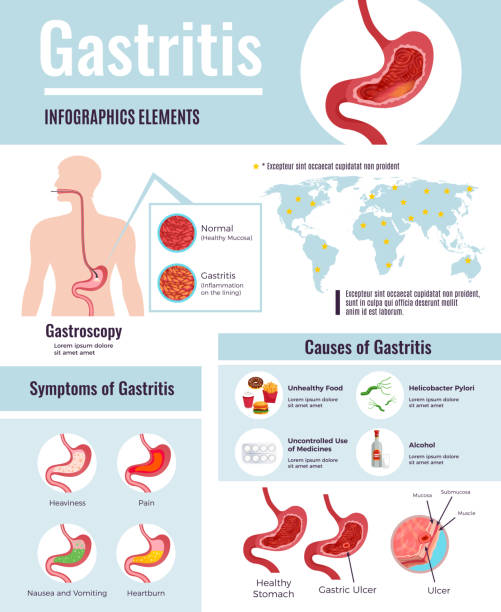
When symptoms occur, they more commonly involve the upper abdomen. Typical symptoms include burning or aching upper-abdominal discomfort, nausea, vomiting, early fullness during meals, feeling overly full after eating, and reduced appetite.
This distinction is important. If your main complaint is pain in the middle or lower back, especially without significant stomach symptoms, it may be more useful to investigate common causes of back pain rather than assuming gastritis is responsible.
What gastritis pain usually feels like
Gastritis-related discomfort is generally felt in the upper abdomen, below the breastbone and above the belly button. It may feel burning, gnawing, aching, or uncomfortable and may occur with nausea or a sensation of fullness.
Some people notice symptoms after eating, while others may experience discomfort when the stomach is empty. Symptoms can vary depending on the cause and whether the stomach lining has developed erosions or an ulcer.
If your discomfort is actually concentrated around the ribs or upper back, other explanations may need consideration. For example, upper back and rib pain can have several causes that are unrelated to the stomach.
Why might stomach pain and back pain happen together?
There are several possible explanations when abdominal and back discomfort occur at the same time.
1. Pain may be felt away from where it starts
Pain from internal organs does not always remain in one precise location. Discomfort from structures in the upper abdomen can sometimes be perceived elsewhere, including the back. However, this pattern is not specific enough to prove that gastritis is the cause.
The location can provide clues, but it should be considered alongside other symptoms, the timing of the pain, medications you take, and your medical history.
2. A stomach ulcer may be involved
Gastritis and peptic ulcers can have related causes, particularly H. pylori infection and regular use of nonsteroidal anti-inflammatory drugs (NSAIDs). Peptic ulcers commonly cause upper-abdominal pain, nausea, bloating, belching, or discomfort related to eating.
An ulcer can sometimes cause pain that is perceived in the back. Therefore, persistent upper-abdominal pain with back discomfort should not automatically be labeled as simple gastritis.
3. The back pain may have a separate cause
It is also possible to have gastritis and ordinary back pain at the same time. For example, prolonged sitting, lifting, muscle strain, poor sleep positioning, or another spinal problem may produce back symptoms independently of stomach irritation.
If your pain is primarily in the lower back, lower back pain causes are often different from the causes of upper-abdominal discomfort.
What causes gastritis?
Gastritis has several possible causes. One of the most important is infection with Helicobacter pylori (H. pylori). Other important causes include long-term exposure to irritating substances such as NSAIDs and alcohol. Autoimmune gastritis and certain serious illnesses can cause other forms of stomach lining damage.
The distinction matters because treatment depends on the underlying cause. Treating H. pylori, for example, requires a different approach from managing stomach irritation associated with medications.
| Possible cause | How it relates to gastritis |
|---|---|
| H. pylori infection | A major cause of chronic gastritis |
| NSAIDs | Can irritate or damage the stomach lining and contribute to ulcers |
| Alcohol | Can irritate the stomach lining and contribute to acute gastritis |
| Autoimmune disease | Can cause autoimmune gastritis |
| Severe illness or injury | Can contribute to acute erosive gastropathy |
About half of the world’s population is estimated to have H. pylori infection, although prevalence varies substantially between populations. NIDDK reports that approximately 35% of the U.S. population is infected.
Can gastritis cause lower back pain?
Gastritis is not a common explanation for isolated lower back pain. If the pain is mainly below the waist, particularly if it changes with movement, posture, lifting, or physical activity, a musculoskeletal or spinal cause may be more likely than gastritis.
For someone experiencing pain predominantly on one side, the pattern may also provide useful information. For example, right-sided lower back pain and lower left back pain in women have different possible causes that may have nothing to do with the stomach.
That does not mean stomach-related conditions can never produce discomfort perceived in the back. It means persistent or isolated lower-back pain deserves its own evaluation rather than being automatically attributed to gastritis.
What can make the symptoms worse?
If gastritis is contributing to your symptoms, irritation of the stomach lining may be affected by certain medicines or substances. NSAIDs such as ibuprofen, naproxen, and aspirin can contribute to stomach irritation, ulcers, and gastrointestinal bleeding. Alcohol can also damage or irritate the stomach lining.
Diet is sometimes blamed for gastritis, but research summarized by NIDDK indicates that food and nutrition do not play an important role in causing most cases of gastritis or gastropathy. Some foods or drinks can nevertheless worsen symptoms in an individual person.
If you also have constipation, abdominal pressure and bowel symptoms can complicate the picture. It may help to understand the connection between constipation and back pain rather than assuming every abdominal and back symptom comes from gastritis.
What can you do at home?
If symptoms are mild and you have no warning signs, practical steps can include avoiding alcohol, avoiding unnecessary stomach-irritating medicines, eating in a way that does not aggravate your symptoms, and monitoring whether symptoms are improving.
Do not automatically take an NSAID for back pain if you suspect stomach irritation. Medicines such as ibuprofen and naproxen can contribute to stomach lining injury and ulcers. If you need pain relief, ask a healthcare professional or pharmacist which option is appropriate for your situation.
For the back component of your symptoms, general measures may be reasonable when there are no concerning symptoms. You can review guidance on how to relieve back pain at home and how to fix back pain, while remembering that these approaches do not treat gastritis itself.
Should you exercise if gastritis and back pain occur together?
Gentle normal activity may be reasonable if you feel well enough, but exercise should not be used to push through significant abdominal or back pain.
If movement clearly worsens the back pain, reduce activities that aggravate it rather than assuming the pain is coming from your stomach. Once a serious cause has been excluded, appropriately selected exercises for lower back pain may be useful for some types of back pain.
If the pain is severe, unexplained, or accompanied by significant abdominal symptoms, medical evaluation is more appropriate than starting a new exercise routine.
How is gastritis diagnosed?
A clinician may consider your symptoms, medical history, medication use, and physical examination. Depending on the situation, testing may be used to look for H. pylori or other causes.
NIDDK notes that doctors may use blood, stool, or breath tests, and in some cases an upper gastrointestinal endoscopy with biopsies. Endoscopy allows the stomach lining to be examined directly and can help identify gastritis, ulcers, bleeding, or other abnormalities.
Persistent symptoms should not simply be treated as gastritis without considering other possible causes. This is especially important when the pain pattern is unusual, severe, or associated with weight loss, repeated vomiting, bleeding, or other concerning symptoms.
How is gastritis treated?
Treatment depends on why the stomach lining is inflamed or damaged. For H. pylori gastritis, treatment generally involves multiple medicines, including antibiotics and acid-reducing treatment. When NSAIDs or another irritant are contributing to stomach injury, a clinician may recommend removing or changing the offending factor and may use medicines that reduce stomach acid.
If the back pain has a separate cause, treating gastritis will not necessarily make the back pain disappear. This is why identifying whether the two symptoms actually share a cause is important.
If your back symptoms are occurring mainly at night, you can also review information about why back pain gets worse at night and discuss persistent nighttime pain with a clinician.
When should you see a doctor?
Consider arranging a medical evaluation if stomach symptoms continue for a week or longer, repeatedly return, or interfere with eating or normal activities. Persistent symptoms can have causes other than uncomplicated gastritis, and a clinician can determine whether testing is appropriate.
You should also seek evaluation if you have unexplained back pain alongside persistent abdominal symptoms, especially if the pain is new, progressively worsening, or unlike your usual back pain.
Warning signs: when to seek urgent care
Some symptoms require more prompt attention because gastritis or related stomach conditions can sometimes cause bleeding or ulcers.
Usually monitor and arrange routine care if:
- Mild stomach discomfort comes and goes.
- Symptoms are short-lived and improving.
- You have mild indigestion without concerning symptoms.
Contact a healthcare professional promptly if:
- Symptoms continue for a week or longer.
- Abdominal or back pain keeps returning.
- You have persistent vomiting or difficulty eating.
- You are losing weight without trying.
- Symptoms began or worsened after taking aspirin, ibuprofen, naproxen, or another potentially irritating medicine.
Seek immediate medical care if:
- You vomit blood or material that looks like coffee grounds.
- Your stool is black and tarry or contains visible blood.
- You have severe or rapidly worsening abdominal pain.
- You become very dizzy, faint, unusually weak, or short of breath.
Gastritis can cause bleeding when the stomach lining develops erosions or ulcers. Gastrointestinal bleeding can become serious, particularly when there are signs of significant blood loss or shock.
If you are unsure whether your symptoms constitute an emergency, information about when back pain is an emergency can help you recognize important warning signs, although abdominal symptoms may require emergency assessment even when the back pain itself seems mild.
Frequently Asked Questions
Can gastritis cause back pain between the shoulder blades?
It can be possible for upper-abdominal discomfort to be perceived toward the back, but pain between the shoulder blades is not a typical gastritis symptom. Other causes should be considered, particularly if the stomach symptoms are mild or absent.
Does gastritis cause upper back pain?
Gastritis primarily causes upper-abdominal symptoms rather than upper-back pain. If you have pain around the upper back and ribs, consider other causes of pain around the ribs and back rather than assuming gastritis is responsible.
Can gastritis cause lower back pain?
Gastritis is not a common cause of isolated lower-back pain. If your symptoms are mainly in the lower back, the cause may be musculoskeletal, spinal, urinary, or related to another abdominal or pelvic condition.
Can gastritis cause pain after eating?
Yes. Gastritis can cause upper-abdominal discomfort that may become worse or better after eating, depending on the individual and underlying cause. Similar eating-related symptoms can also occur with peptic ulcers and other digestive conditions.
Can gastritis cause nausea and back pain?
Gastritis commonly causes nausea, while back pain is less typical. When both occur together, the combination does not by itself establish gastritis as the cause.
Can acid reflux cause back pain instead of gastritis?
Acid reflux and gastritis are different conditions, although symptoms can overlap. If you are experiencing reflux symptoms with back discomfort, understanding whether GERD can cause back pain may help you distinguish the possibilities.
Can constipation cause stomach and back pain?
Yes. Constipation can produce abdominal discomfort and may be associated with back pain in some people. Because constipation and gastritis have different causes and treatments, persistent symptoms should be evaluated according to the overall pattern.
Can a stomach ulcer cause back pain?
A peptic ulcer primarily causes upper-abdominal pain, but some people may experience pain that is perceived elsewhere. Because ulcers can bleed or perforate, persistent or severe upper-abdominal pain should not simply be assumed to be gastritis.
Should I use heat for back pain if I have gastritis?
Heat may help some types of muscular back pain, but it does not treat gastritis. If you are considering heat, it is also useful to understand when heat can make back pain worse and to stop if it increases discomfort.
What sleeping position is best when stomach and back pain occur together?
There is no single sleeping position that treats both gastritis and back pain. If the back pain is affecting sleep, you can try sleeping positions for lower back pain while avoiding positions that increase abdominal discomfort or reflux symptoms.
Conclusion
Gastritis mainly causes symptoms in the upper abdomen, so back pain should not automatically be attributed to gastritis. Stomach and back discomfort can occur together, but the combination may reflect referred discomfort, a related condition such as a peptic ulcer, or two separate problems.
Pay attention to where the pain starts, what makes it better or worse, and whether symptoms such as nausea, vomiting, weight loss, or gastrointestinal bleeding are present. Persistent, severe, or unusual symptoms deserve medical evaluation rather than prolonged self-treatment.
Disclaimer: This article is provided for educational and informational purposes only. It is not a substitute for professional medical advice, diagnosis, or treatment.