Back pain can make simple things such as getting out of bed, sitting at a desk, bending, or walking feel difficult. You may be wondering whether you should rest, stretch, use heat, apply ice, or keep moving. If you are searching for how to relieve back pain at home, the safest starting point is usually a combination of gentle activity, temporary activity modification, comfortable positioning, and symptom relief measures that do not aggravate your condition.
Most uncomplicated episodes do not require complete bed rest, but home treatment is not appropriate for every situation. Severe pain after major trauma, new weakness, loss of bladder or bowel control, numbness around the groin, fever with significant back pain, or serious chest or breathing symptoms can require prompt medical assessment.
This guide focuses on practical home strategies for uncomplicated back pain. It explains what may help, what to avoid, how heat and ice compare, how to sleep more comfortably, when exercise is reasonable, how long improvement may take, and which symptoms mean you should stop home treatment and seek medical care.
What is the best way to relieve back pain at home?
For uncomplicated back pain, the most useful approach is usually gentle movement combined with temporary modification of activities that make the pain worse. Prolonged bed rest is generally less helpful than staying reasonably active as your symptoms allow.
A simple home-care plan includes:
- Keep moving gently rather than staying in bed all day.
- Reduce heavy lifting and movements that clearly increase pain.
- Change positions regularly if sitting or standing aggravates symptoms.
- Try heat or cold if it provides comfortable short-term relief.
- Use a comfortable sleeping position.
- Gradually return to normal activities as movement becomes easier.
If you are unsure why your symptoms started, reviewing what causes back pain can help you think about common triggers such as lifting, prolonged sitting, repetitive activity, or an awkward movement.
1. Keep moving, but do not push through severe pain
One of the most important home strategies is avoiding unnecessary inactivity. Gentle walking and normal daily movements can help maintain mobility while your back settles.
This does not mean ignoring pain or forcing yourself through a workout. If a particular movement sharply increases symptoms, reduce the range, slow down, or temporarily choose another activity.
For many people, the goal is to find the middle ground between doing too much and doing too little.
Research supports this approach. An overview of 31 systematic reviews involving 644 trials and 97,183 adults found that, for acute or subacute low back pain, advice to stay active probably reduces short-term pain compared with advice to rest in bed.
If your symptoms are primarily in the lower back, common causes of lower back pain provides additional context about why the symptoms can vary.
2. Reduce the activities that aggravate your symptoms
You usually do not need to stop every activity when your back hurts. Instead, identify the specific movements that consistently make the pain worse.
For example, temporarily avoid heavy lifting while continuing easier activities such as walking. If prolonged sitting aggravates your symptoms, stand up or walk briefly at regular intervals.
A useful principle is:
Modify the load rather than eliminating all movement.
This can mean lifting lighter objects, taking shorter walks, avoiding repeated twisting, or breaking one long task into several smaller tasks.
If your symptoms began after a collision or significant injury, however, the situation is different. back pain after a car accident may require medical assessment depending on the force of the accident and associated symptoms.
3. Try heat or ice for short-term comfort
Heat and ice can both provide symptom relief for some people, but neither is universally better.
| Option | May feel helpful when | Safety point |
|---|---|---|
| Heat | Stiffness, muscle tightness, general soreness | Use comfortable warmth rather than intense heat |
| Cold | Short-term relief after an aggravating activity | Protect skin from direct prolonged exposure |
| Neither | Temperature treatment does not improve symptoms | Focus on movement and comfortable positioning |
If you are deciding should you use heat or ice for back pain, choose the option that provides relief without causing skin irritation or worsening symptoms.
Heat should feel comfortably warm rather than very hot. Do not fall asleep with a heating device operating against your skin, and use extra caution if you have reduced sensation because you may not recognize a burn quickly.
Heat is not automatically better simply because it feels soothing. If you have wondered when heat can worsen back pain, worsening discomfort, skin changes, or increased symptoms are reasons to stop rather than increase the temperature.
4. Change positions regularly
There is no single “perfect” sitting or standing position that works for everyone with back pain. Remaining in one position for a long time can be more problematic than occasionally changing posture.
When sitting:
- Keep your feet supported.
- Avoid staying in one position for hours.
- Stand and walk briefly throughout the day.
- Adjust the chair or desk if you are repeatedly leaning or twisting.
When lifting something, keep the load close to your body and avoid combining a heavy lift with rapid twisting.
These small changes can make everyday movement more manageable without requiring you to maintain an artificially rigid posture.
5. Try gentle exercises when movement is tolerated
Exercise can be useful, but the right exercise depends on your symptoms and physical condition. During a painful flare, aggressive stretching or strengthening may make symptoms worse.
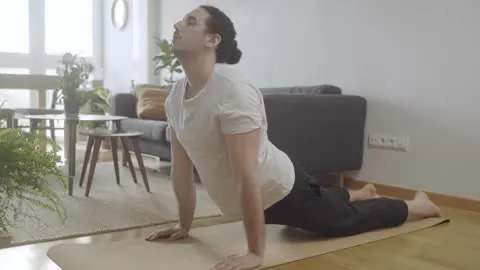
Gentle walking is often an easier starting point. As movement becomes more comfortable, some people can gradually introduce mobility and strengthening exercises.
Possible categories include:
- Walking
- Gentle spinal mobility
- Hip mobility
- Light trunk strengthening
- Gradual return to normal exercise
For specific examples, see exercises for lower back pain.
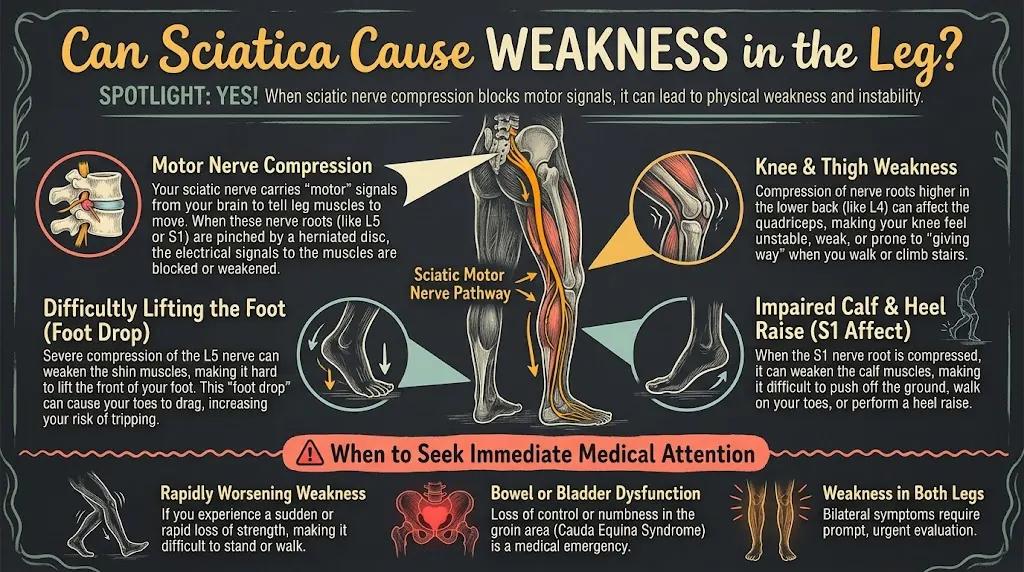
Stop an exercise and seek professional guidance if it produces new weakness, significant numbness, rapidly increasing pain, or symptoms that progressively travel farther into an arm or leg.
How much exercise is enough?
| Your response | What to do |
|---|---|
| Mild soreness that settles | Continue at a manageable level |
| Symptoms remain similar | Keep the activity gentle and monitor |
| Pain clearly increases during or after exercise | Reduce intensity, duration, or range |
| New neurological symptoms appear | Stop and seek medical advice |
A 2025 overview of non-drug treatments found that evidence varies substantially between different approaches. Exercise has stronger evidence in some chronic low back pain settings than in acute episodes, so “exercise” should not be treated as one single treatment with identical effects for everyone.
6. Make sleep more comfortable
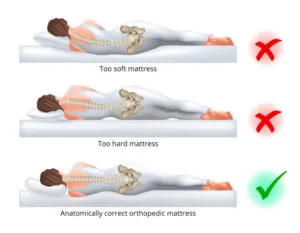
Back pain can feel worse at night because you have been in one position for a long time. Your mattress, sleeping posture, and the way you change positions can all influence comfort.
You do not need to force yourself into one supposedly perfect sleeping position. Side sleeping with a pillow between the knees may be comfortable for some people, while others prefer lying on their back with support beneath the knees.
For practical guidance, see best sleeping positions for lower back pain.
Your mattress also does not have to be extremely firm to provide support. Comfort, support, and your ability to change position can all matter. If you are considering replacing your mattress, how to choose a back-friendly mattress explains what to consider.
If pain repeatedly wakes you, becomes progressively worse at night, or occurs with unexplained symptoms, do not assume that changing your mattress will solve the problem. why back pain gets worse at night provides more context about nighttime symptoms.
7. Consider over-the-counter pain medicine carefully
Some people use over-the-counter medicines while recovering from back pain. However, these medicines are not appropriate for everyone and can have important risks.
For example, nonsteroidal anti-inflammatory drugs can cause stomach, kidney, cardiovascular, and bleeding-related problems in some people and may interact with other medicines. Acetaminophen is also not appropriate at excessive doses or for everyone with certain liver-related risks.
A large review of medication evidence found that some medicines may provide only modest benefits for acute low back pain, while adverse effects remain an important consideration. If you take other medicines, have chronic medical conditions, are pregnant, or are unsure whether a medication is safe for you, ask a pharmacist or clinician before using it.
Home care should not mean automatically taking medication every day until the pain disappears.
8. Pay attention to where the pain occurs
The location and associated symptoms can change what is reasonable to manage at home.
For example, pain concentrated on one side of the lower back can have different possible causes. If you have right-sided lower back pain, consider whether the symptoms are related to movement and whether they are improving.
Women experiencing lower left back pain in women may also need to consider symptoms outside the musculoskeletal system, particularly when pelvic or abdominal symptoms occur at the same time.
Pain around the ribs or upper back deserves similar attention. pain around the ribs and back can have several possible explanations, so location alone should not be used to determine the cause.
9. Do not automatically assume every back symptom is muscular
Back pain can sometimes occur alongside symptoms involving the abdomen, chest, digestive system, or other areas of the body.
For example, people sometimes search for whether constipation and back pain are connected. The answer depends on the complete symptom pattern, and persistent abdominal or bowel symptoms should not automatically be attributed to the back.
Similarly, a hernia can sometimes be associated with back discomfort, but can a hernia cause back pain should be considered in the context of other symptoms rather than assumed from back pain alone.
The same principle applies to chest or breathing symptoms. Back pain that occurs when breathing is not something to automatically treat with stretches or heat. back pain when breathing may warrant medical assessment depending on the accompanying symptoms.
10. Know when home treatment is not enough
Home treatment is most reasonable when the pain is manageable, there was no significant trauma, you can move reasonably well, and symptoms are stable or gradually improving.
Usually reasonable to monitor
You may be able to continue conservative care when:
- Pain is mild or moderate.
- You can walk and perform basic daily activities.
- Symptoms are gradually improving.
- There was no major injury.
- No significant neurological or systemic symptoms are present.
Arrange medical evaluation
Consider contacting a healthcare professional when:
- Pain persists without meaningful improvement.
- Symptoms repeatedly return.
- Pain is progressively worsening.
- Persistent numbness or tingling develops.
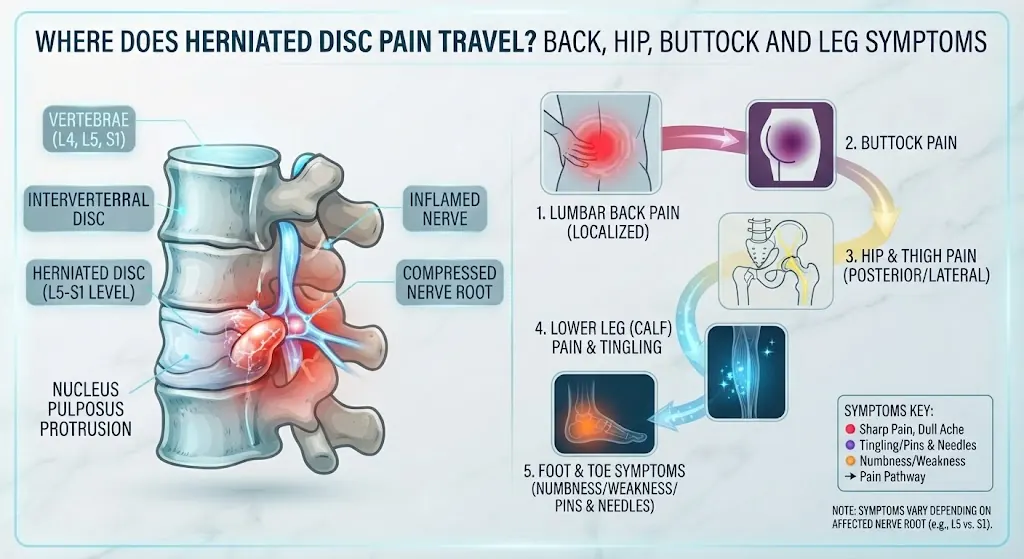
- Pain travels into an arm or leg and does not settle.
- You develop weakness.
- Fever or other unexplained symptoms occur.
Seek urgent or emergency care
Do not rely on home treatment if you develop new loss of bladder or bowel control, numbness around the groin or inner thighs, significant or rapidly progressing weakness, severe pain after major trauma, or serious chest or breathing symptoms.
For a fuller list of urgent warning signs, see when back pain is an emergency.
If chest discomfort is present, particularly with shortness of breath, sweating, fainting, or other concerning symptoms, do not assume it is caused by the spine. chest pain caused by back problems explains why chest and back symptoms need to be considered carefully.
How long should you expect home treatment to take?
Recovery varies because back pain has many possible causes. A 2024 systematic review and meta-analysis of 95 studies involving 17,974 participants found substantial improvement in acute and subacute nonspecific low back pain, with the largest improvements generally occurring during the first several weeks.
An older systematic review similarly found rapid improvement during the first month, although recurrence was common. These findings support monitoring the overall direction of recovery rather than expecting pain to disappear immediately.
| Recovery pattern | Reasonable response |
|---|---|
| Pain gradually decreases | Continue conservative care |
| Movement becomes easier | Slowly resume normal activities |
| Symptoms fluctuate but overall function improves | Continue monitoring |
| Pain stays unchanged for an extended period | Consider medical evaluation |
| Symptoms progressively worsen | Seek medical advice |
| New warning signs appear | Seek prompt or emergency care as appropriate |
The important point is that improvement does not always occur in a perfectly straight line. A more active day can temporarily increase soreness without necessarily indicating a new injury.
What about weather or air pressure?
Some people notice that their back feels worse during weather changes. Research has not established a consistent relationship between changes in air pressure and new episodes of back pain.
If you notice a personal pattern, tracking pain alongside activity, sleep, temperature, and weather may help identify whether the change is actually related to pressure or whether another factor—such as reduced activity, poor sleep, or altered routines—is contributing.
You can read more about whether changes in air pressure cause back pain.
A simple at-home routine
For uncomplicated back pain, a practical routine may look like this:
Morning: Get out of bed gradually and take a short, comfortable walk rather than remaining in bed for hours.
During the day: Alternate sitting, standing, and walking. Reduce heavy lifting and repetitive movements that clearly increase pain.
For symptom relief: Try comfortable heat or cold for a limited period if it helps. Protect your skin and stop if symptoms worsen.
Exercise: Choose gentle movement first and gradually increase activity as your symptoms allow.
Evening: Use a comfortable sleeping position and avoid strenuous activity that consistently aggravates your symptoms.
Over the next several days: Judge progress by pain, mobility, and function. Gradually return to ordinary activities rather than waiting until you feel absolutely no discomfort.
Frequently Asked Questions
1. What is the fastest way to relieve back pain at home?
There is no single fastest remedy that works for everyone. Gentle movement, temporary activity modification, comfortable positioning, and heat or cold may provide short-term relief depending on the cause and symptoms.
2. Should I stay in bed if my back hurts?
Prolonged bed rest is generally not recommended for uncomplicated back pain. A short period of rest may feel appropriate when symptoms are particularly uncomfortable, but gradually returning to movement is usually preferable as tolerated.
3. Is heat or ice better for back pain?
Neither is always better. Heat may be more comfortable for stiffness or muscle tightness, while cold may provide short-term relief for some people after an aggravating activity.
4. Can walking help back pain?
Gentle walking can help maintain mobility and reduce prolonged inactivity for many people with uncomplicated back pain. Start with a manageable amount and increase gradually rather than treating walking as strenuous exercise during a flare.
5. Should I stretch when my back hurts?
Gentle stretching may help some people, but it should not be forced through sharp or increasing pain. If a particular stretch repeatedly makes your symptoms worse, stop it rather than trying to push through.
6. Why does sitting make my back hurt?
Prolonged sitting can increase stiffness and aggravate symptoms in some people. Changing positions regularly and taking short walking or standing breaks may make sitting more comfortable.
7. What is the best sleeping position for back pain?
There is no universally best position. Side sleeping with support between the knees or back sleeping with support beneath the knees can be comfortable options, but your own symptoms should guide the choice.
8. How long should I treat back pain at home?
If symptoms are mild and gradually improving, conservative care can often continue while normal activity returns. Persistent, worsening, or function-limiting pain should prompt consideration of professional evaluation.
9. Can home treatment cure the cause of back pain?
Home strategies can reduce symptoms and support recovery, but they do not treat every possible underlying cause. Some conditions require targeted medical evaluation or treatment.
10. When should I stop home treatment?
Seek medical care if pain is progressively worsening, does not improve as expected, or is accompanied by significant weakness, persistent neurological symptoms, fever, major trauma, bladder or bowel changes, groin numbness, or serious chest or breathing symptoms.
Conclusion
Learning how to relieve back pain at home is less about finding one perfect remedy and more about using several low-risk strategies appropriately. Gentle movement, temporary activity modification, comfortable positioning, carefully used heat or cold, adequate sleep support, and gradual return to normal activity can all have a role.
The research supports staying reasonably active rather than relying on prolonged bed rest, but home treatment has limits. If symptoms are worsening, persistent, associated with neurological changes, or triggered by significant trauma, professional evaluation is more appropriate than continuing to experiment with home remedies.
Disclaimer: This article is provided for educational and informational purposes only. It is not a substitute for professional medical advice, diagnosis, or treatment