Back rib pain can be surprisingly uncomfortable because the ribs move every time you breathe, twist, reach, cough, or change position. You may feel a dull ache near the back of the ribs, a sharp spot beneath the shoulder blade, or pain that wraps around the side of your chest. It may begin after exercise or lifting, or appear without an obvious injury.
Because the ribs sit close to the lungs, kidneys, spine, and upper abdominal organs, it is natural to wonder whether the pain is coming from somewhere deeper. Many cases, however, are related to the muscles, joints, ribs, or nerves of the chest wall and upper back. The timing of the pain and what makes it better or worse can provide useful clues.
Most mild musculoskeletal pain improves gradually, but not all back rib pain should be treated as a simple strain. Severe trauma, significant breathing difficulty, sudden severe chest or upper-back pain, or other concerning symptoms require prompt medical assessment.
Table of Contents
- What Is Back Rib Pain?
- Common Causes of Back Rib Pain
- Rib and Spine Joint Problems
- Nerve-Related Back Rib Pain
- Back Rib Pain After an Injury
- Can Back Rib Pain Be Caused by the Lungs?
- Can Kidney Problems Cause Back Rib Pain?
- Can Digestive Problems Cause Rib and Back Pain?
- How Can You Tell If Back Rib Pain May Be an Injury?
- Back Rib Pain When Breathing
- How Is Back Rib Pain Diagnosed?
- Treatment for Back Rib Pain
- How Long Does Back Rib Pain Take to Heal?
- When Should You See a Doctor?
- Emergency Warning Signs
- How to Prevent Back Rib Pain
- Conclusion
- Frequently Asked Questions
What Is Back Rib Pain?
Back rib pain describes discomfort felt around the ribs where they meet or sit alongside the upper and middle back. It is a symptom rather than a specific medical diagnosis.
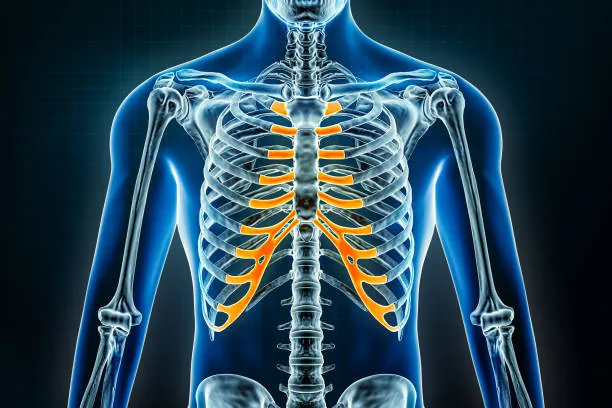
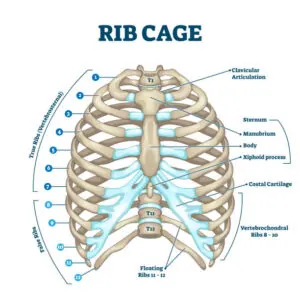
The ribs form a protective cage around the chest. At the back of the body, they connect with the thoracic spine through small joints called costovertebral and costotransverse joints. Muscles, ligaments, nerves, and connective tissues also surround this area.
Because so many structures are close together, pain in the same location can have different causes.
For example, pain that begins after lifting and worsens when twisting may be related to a muscle strain or irritated joint. Pain following a fall may indicate a rib injury. In contrast, pain accompanied by fever, cough, urinary symptoms, or breathing difficulty may require evaluation for a non-musculoskeletal cause.
If the discomfort extends beyond the rib area, understanding the broader patterns of pain around the ribs and back can provide additional context.
Common Causes of Back Rib Pain
1. Muscle Strain
A muscle strain is a common cause of pain around the ribs and upper back.
It may occur after lifting, pulling, twisting, exercising, reaching overhead, or performing an activity that places more stress on the muscles than usual. Repetitive movements can also gradually irritate the muscles between or around the ribs.
Muscle-related pain may feel:
-
Dull or aching
-
Sharp with certain movements
-
Tender when touched
-
Worse after physical activity
-
More noticeable when twisting or reaching
A musculoskeletal cause becomes more likely when the pain clearly changes with movement and there are no other concerning symptoms.
2. Intercostal Muscle Strain
The intercostal muscles are located between the ribs and help the chest wall move during breathing.
A sudden twist, heavy lifting, vigorous exercise, contact sport, or repeated forceful coughing can strain these muscles. Because the muscles participate in breathing, the pain may increase when taking a deep breath, coughing, sneezing, or rotating the torso.
This can explain why some people experience both back rib pain and pain when breathing even when the lungs are not the source of the problem.
3. Rib Bruising
A direct impact can injure the tissues around a rib without causing a fracture.
Possible causes include:
-
Falling onto the back or side
-
Contact sports
-
A direct blow to the chest
-
Seat-belt pressure during a collision
-
Being struck by an object
A bruised rib can remain tender and may hurt with deep breathing, coughing, laughing, or movement.
4. Rib Fracture
A rib fracture can cause significant, localized pain, particularly after a fall, collision, or direct blow.
Pain may worsen with:
-
Deep breathing
-
Coughing or sneezing
-
Twisting
-
Bending
-
Pressing on the injured area
Not every fracture produces obvious bruising or swelling. If severe rib pain develops after significant trauma, especially when breathing becomes difficult, medical evaluation is important.
For a broader discussion of rib-specific symptoms and possible causes, see this guide to back rib pain.
Rib and Spine Joint Problems
5. Costovertebral Joint Irritation
The ribs connect to the thoracic spine through small joints near the back of the body. These joints allow controlled movement as the rib cage expands and contracts.
Irritation in these joints can produce a focused ache or sharp pain around the back ribs. Symptoms may become more noticeable with twisting, reaching, deep breathing, prolonged sitting, or certain sleeping positions.
A physical examination can help distinguish joint-related pain from a muscle strain, nerve irritation, rib injury, or another condition.
6. Thoracic Spine Problems
The thoracic spine is the middle portion of the spine between the neck and lower back. Problems involving its vertebrae, discs, joints, or surrounding tissues can sometimes be perceived as rib pain.
The discomfort may occur between the shoulder blades or travel around one side of the rib cage.
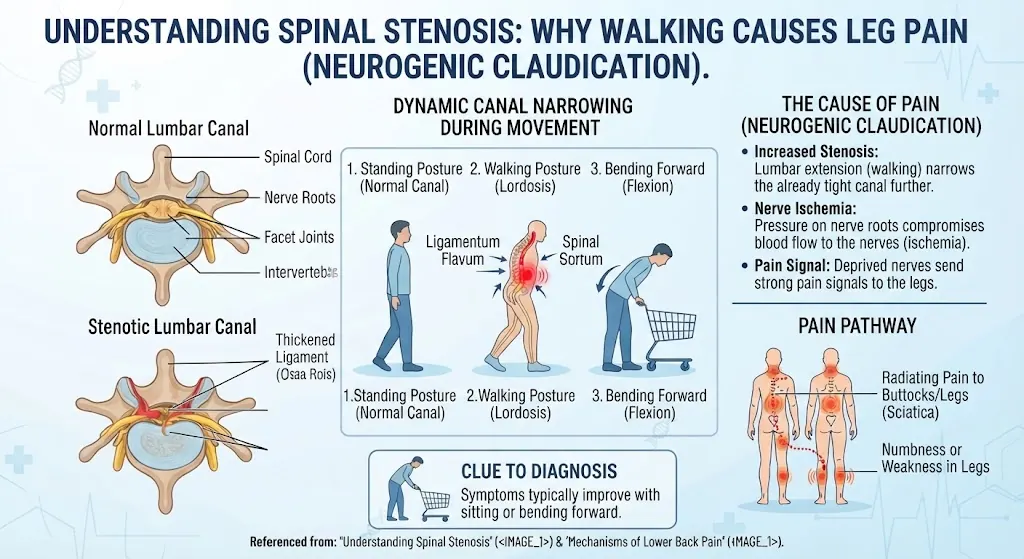
Thoracic spine involvement becomes more relevant when rib-area pain occurs with back stiffness, restricted spinal movement, tingling, numbness, or other neurological symptoms.
People who also experience more generalized spinal discomfort may benefit from understanding the broader causes discussed in this overview of what causes back pain.
Nerve-Related Back Rib Pain
7. Irritated Thoracic Nerve
Nerves emerging from the thoracic spine travel around the chest wall between the ribs. Irritation of one of these nerves can cause pain that follows a band-like path around one side of the torso.
Nerve-related symptoms may include:
-
Burning pain
-
Shooting or electric sensations
-
Tingling
-
Numbness
-
Increased skin sensitivity
Nerve pain can feel quite different from the localized soreness associated with a strained muscle. Persistent or worsening neurological symptoms should be medically evaluated.
8. Shingles
Shingles can cause burning, tingling, or unusual skin sensitivity along a nerve before the characteristic rash appears.
When the affected nerve travels around the chest or back, the symptoms may initially feel like rib or upper-back pain. A cluster of blisters generally develops on one side of the body.
If localized burning or unusual skin sensitivity is followed by a rash, contact a healthcare professional promptly.
Back Rib Pain After an Injury
Rib Pain After a Fall
A fall can affect several structures at once, including the ribs, muscles, joints, and spine.
Even without visible bruising, significant localized pain after a fall should be assessed when it is severe, worsening, or interfering with breathing or normal movement.
Rib Pain After a Car Accident
A car accident can place considerable force on the chest wall and upper back. Seat belts, airbags, impact, and sudden deceleration may all contribute to injury.
Pain after a collision should not automatically be assumed to be a minor muscle strain. Related symptoms can include chest-wall tenderness, rib injury, spinal pain, or other trauma-related problems. For a broader discussion, see back pain after a car accident.
Seek prompt medical attention after significant trauma if you develop:
-
Difficulty breathing
-
Severe or increasing pain
-
Severe chest tenderness
-
Dizziness or fainting
-
Abdominal pain
-
New weakness or numbness
Can Back Rib Pain Be Caused by the Lungs?
Yes. Lung and pleural conditions can sometimes cause pain around the ribs or back.
Pleurisy, for example, can cause sharp chest or rib-area pain that becomes worse with breathing or coughing. Pneumonia may cause chest discomfort together with symptoms such as cough, fever, and breathing difficulty.
The overall symptom pattern matters. Localized soreness that begins after exercise is different from pain accompanied by fever, persistent cough, or significant shortness of breath.
It is also important to distinguish painful breathing from difficulty breathing. Musculoskeletal injuries can make deep breaths uncomfortable, whereas actual shortness of breath can indicate a more urgent problem.
For more information about this symptom pattern, see back pain when breathing.
Can Kidney Problems Cause Back Rib Pain?
Yes. The kidneys are located toward the back of the abdomen, underneath the lower ribs. Kidney problems can therefore cause pain in the flank or back-rib region.
Kidney stones can cause severe pain that may move from the side or back toward the abdomen or groin. A kidney infection may cause pain together with fever, chills, urinary symptoms, nausea, or feeling generally unwell.
Back rib pain accompanied by urinary symptoms or fever should not simply be assumed to be a muscle strain.
Can Digestive Problems Cause Rib and Back Pain?
Pain originating in the abdomen can sometimes be felt toward the back or around the ribs.
Depending on the underlying condition, digestive symptoms may include:
-
Abdominal pain
-
Bloating
-
Nausea
-
Vomiting
-
Changes in bowel movements
-
Pain related to eating
Constipation can also cause abdominal pressure or discomfort that some people perceive in the back. If bowel changes and back discomfort occur together, this guide on whether constipation can cause back pain may help explain the possible connection.
Persistent, severe, or unexplained abdominal and back pain should be evaluated rather than automatically attributed to a musculoskeletal problem.
How Can You Tell If Back Rib Pain May Be an Injury?
The circumstances surrounding the pain can provide useful clues.
A musculoskeletal injury is more likely when:
-
It started after physical activity: The symptoms appeared after lifting, exercise, twisting, or repetitive movement.
-
There was direct trauma: A fall, collision, or blow preceded the pain.
-
Movement changes the symptoms: Twisting, reaching, bending, or changing position reproduces the pain.
-
The area is tender: Pressing over the affected tissues produces similar discomfort.
-
Symptoms gradually improve: Pain and movement limitations are slowly decreasing.
These features can suggest a musculoskeletal cause, but they cannot confirm one. A healthcare professional may need to examine you when the diagnosis is uncertain.
Back Rib Pain When Breathing
Rib and chest-wall structures move continuously during breathing, so injuries in this area can hurt when you take a deep breath.
A muscle strain, bruised rib, or fractured rib may become more painful with:
-
Deep breathing
-
Coughing
-
Sneezing
-
Laughing
-
Twisting
However, breathing-related pain can also occur with lung or pleural conditions.
The key distinction is between pain caused by breathing and difficulty breathing. Pain with a deep breath can occur with a musculoskeletal injury. Sudden or significant shortness of breath is more concerning and requires prompt medical assessment.
How Is Back Rib Pain Diagnosed?
Diagnosis starts with a detailed history and physical examination.
A healthcare professional may ask:
-
When did the pain begin?
-
Was there an injury?
-
Did you recently lift, exercise, or perform repetitive movements?
-
Does deep breathing make it worse?
-
Does twisting reproduce the pain?
-
Is the area tender?
-
Does the pain travel around the rib cage?
-
Do you have a cough or fever?
-
Do you have urinary or abdominal symptoms?
-
Do you have numbness, tingling, or weakness?
The examination may include the ribs, thoracic spine, surrounding muscles, breathing pattern, and neurological function.
Do You Need an X-Ray?
Not every episode of back rib pain requires imaging.
When symptoms are mild and strongly suggest a straightforward musculoskeletal problem, a healthcare professional may initially recommend conservative care and observation.
An X-ray or other imaging study may be considered when there has been significant trauma, a fracture is suspected, symptoms persist without an explanation, breathing problems are present, or another condition needs investigation.
Treatment for Back Rib Pain
Treatment depends on the underlying cause. There is no single treatment that is appropriate for every type of rib or upper-back pain.
Treatment for Muscle or Joint Pain
For mild musculoskeletal pain without warning signs, treatment may include:
-
Relative rest: Temporarily reduce movements that clearly aggravate the pain.
-
Gentle movement: Avoid prolonged complete inactivity.
-
Heat or cold: A protected heat or cold pack may provide temporary symptom relief.
-
Gradual return to activity: Increase exercise and lifting progressively as symptoms improve.
-
Physical therapy: Persistent problems may benefit from an individualized rehabilitation program.
If the pain is part of a broader back problem, treatment may need to address posture, mobility, strength, and movement patterns rather than focusing only on the painful area.
Treatment After a Rib Injury
Rib injuries can take time to settle because the rib cage moves with every breath.
Follow the treatment and pain-management recommendations provided by your healthcare professional. Avoid tightly wrapping or binding the chest unless specifically advised by a clinician, because restricting normal chest movement can interfere with breathing.
Treatment for Nerve Pain
Nerve-related pain requires attention to its underlying cause.
Depending on the diagnosis, treatment may involve physical therapy, medication, or management of a spinal condition responsible for nerve irritation.
Treatment for Lung, Kidney, or Digestive Causes
When back rib pain comes from an internal medical condition, treating that condition is the priority.
For example, a respiratory infection, kidney infection, kidney stone, or abdominal disorder may require specific medical treatment. Home care intended for a muscle strain should not replace medical evaluation when other symptoms suggest an internal cause.
How Long Does Back Rib Pain Take to Heal?
Recovery varies considerably depending on the cause and severity.
A mild muscle strain may improve progressively as irritating activities are reduced and normal movement returns. Rib injuries can take longer because the chest wall is constantly moving.
Rather than relying on one exact recovery time, pay attention to the overall trend:
Is the pain becoming less intense, and are normal movements becoming easier?
If symptoms are worsening, failing to improve, repeatedly returning, or occurring without an obvious explanation, arrange a medical evaluation.
When Should You See a Doctor?
Arrange a medical assessment if your back rib pain:
-
Persists without improvement: Ongoing pain that does not gradually settle deserves evaluation.
-
Keeps returning: Recurrent unexplained pain may require further investigation.
-
Interferes with daily activities: Difficulty sleeping, working, exercising, or moving normally may require treatment.
-
Has no obvious cause: Persistent unexplained pain should not be ignored.
-
Occurs with other symptoms: Fever, cough, urinary symptoms, abdominal pain, numbness, tingling, or weakness can point toward causes other than a simple strain.
If the pain is actually part of a broader lower-back problem, resources covering lower back pain may be more appropriate than a rib-specific approach.
Emergency Warning Signs
Most back rib pain is not an emergency, but certain symptoms require immediate attention.
Seek Emergency Medical Attention If You Have:
-
Severe difficulty breathing
-
Sudden severe chest or upper-back pain
-
Coughing up blood
-
Fainting or severe dizziness
-
A very rapid heartbeat together with breathing difficulty
-
Blue or gray lips or skin
-
Severe pain after major trauma
-
New severe weakness or numbness
Do not wait for home treatment to work when these symptoms are present.
Chest or upper-back pain can sometimes overlap with other conditions, including pain originating from the spine or chest wall. For additional context, see chest pain from back problems.
How to Prevent Back Rib Pain
Not every cause of rib or upper-back pain can be prevented, but several habits can reduce the risk of musculoskeletal problems.
Stay Physically Active
Regular physical activity helps maintain strength and mobility. Increase exercise intensity gradually rather than making sudden, substantial increases in training volume.
Strengthen the Back and Core
Appropriate strengthening can improve the muscles that support the spine and upper body. Exercise should be progressed according to your current ability rather than starting with loads that are too demanding.
Warm Up Before Intense Activity
A gradual warm-up prepares the body for exercise and allows you to increase physical demands progressively.
Use Sensible Lifting Technique
When lifting, avoid sudden twisting while carrying a heavy object. Keep the load reasonably close to your body and ask for help when an object is too heavy or awkward to handle safely.
Take Movement Breaks
Long periods in one position can contribute to stiffness and discomfort. If you sit for much of the day, change position regularly and take brief movement breaks.
For people who experience pain elsewhere in the back, symptoms may also occur predominantly on one side. For example, right-sided lower back pain can have a different range of possible causes than pain around the upper ribs.
Conclusion
Back rib pain can come from muscles, intercostal tissues, ribs, joints, nerves, or the thoracic spine. In some cases, pain in this region can also be referred from the lungs, kidneys, or digestive system.
The circumstances surrounding the pain provide useful clues. Symptoms that begin after exercise, lifting, twisting, or minor trauma and change with movement may suggest a musculoskeletal cause. Pain accompanied by fever, cough, urinary symptoms, significant abdominal symptoms, or breathing difficulty requires a broader evaluation.
Mild musculoskeletal pain may gradually improve with activity modification, gentle movement, and appropriate symptom management. Persistent, severe, unexplained, or worsening symptoms should be assessed by a healthcare professional.
If you experience severe breathing difficulty, sudden severe chest or upper-back pain, coughing up blood, fainting, or severe symptoms following major trauma, seek urgent medical attention.
Frequently Asked Questions
1. What causes back rib pain?
Common causes include muscle strain, intercostal muscle injury, bruised or fractured ribs, irritated rib joints, nerve irritation, and thoracic spine problems. Lung, kidney, and abdominal conditions can also produce pain in this region.
2. Why does my back hurt around my ribs?
The ribs connect with the thoracic spine and are surrounded by muscles, joints, nerves, and connective tissues. Problems affecting any of these structures can cause pain around the back-rib area.
3. Can a pulled muscle cause back rib pain?
Yes. A strained muscle around the ribs or upper back can cause localized soreness or sharper pain, particularly when twisting, reaching, coughing, or taking a deep breath.
4. Can a broken rib cause back pain?
Yes. A rib fracture can cause localized pain that extends around the side or toward the back. It often becomes more painful with deep breathing, coughing, sneezing, or movement.
5. Why does my back rib pain hurt when I breathe?
The ribs and surrounding muscles move during breathing, so an injured muscle or rib can become painful when you take a deep breath. Lung and pleural conditions can also cause breathing-related pain.
6. Can kidney problems cause back rib pain?
Yes. The kidneys are positioned beneath the lower ribs toward the back. Kidney problems can cause flank or back pain, particularly when accompanied by urinary symptoms, fever, chills, nausea, or other signs of illness.
7. Can poor posture cause back rib pain?
Prolonged sitting and limited movement can contribute to upper and middle back discomfort. Regular movement, appropriate strengthening, and addressing contributing movement habits may help.
8. How long does back rib pain take to heal?
Recovery depends on the underlying cause. A mild muscle strain may gradually improve, while rib injuries can take longer. Symptoms that persist, worsen, or repeatedly return should be medically evaluated.
9. Should I exercise with back rib pain?
Avoid exercises that clearly increase your pain, particularly heavy lifting and forceful twisting. Gentle movement may be appropriate for some mild musculoskeletal problems, but persistent pain should be assessed before returning to strenuous activity.
10. When is back rib pain serious?
Back rib pain requires urgent attention when it occurs with severe breathing difficulty, sudden severe chest or upper-back pain, coughing up blood, fainting, or major trauma. Persistent unexplained pain should also be evaluated by a healthcare professional.
Disclaimer: This article is intended for educational purposes only and should not be considered personalized medical advice.