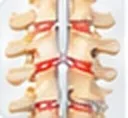

Back pain after a car accident can range from a mild ache to severe pain that makes sitting, walking, sleeping, or turning difficult. You may feel soreness immediately after the crash, or the pain may become more noticeable hours or even days later as the initial stress response settles. The location and type of pain can vary depending on which tissues were affected.
A car accident does not automatically mean you have a serious spinal injury, but new pain after significant trauma should not be dismissed. Muscle and ligament injuries are common, while fractures, disc injuries, nerve irritation, and other problems can also occur. If you are trying to understand back pain after a car accident, the most important questions are what symptoms you have, whether your neurological function is normal, and whether the pain is improving.
This guide explains common injuries, symptoms that can appear after a crash, how clinicians evaluate accident-related back pain, what recovery may look like, what you can do while recovering, and which symptoms require urgent or emergency medical attention.
Why does your back hurt after a car accident?
A collision can expose the body to sudden acceleration, deceleration, rotation, or direct impact. Even when there is no obvious external injury, muscles, ligaments, joints, discs, and other structures can be strained.
The force involved does not determine the exact injury by itself. A relatively minor collision can produce significant symptoms in some people, while a more substantial crash does not necessarily result in a major spinal injury.
Possible causes include:
- Muscle or ligament strain
- Joint irritation
- Whiplash-associated injury involving the neck and upper back
- Disc injury
- Nerve irritation
- Vertebral fracture
- Less commonly, injury involving the spinal cord or another internal structure
The location also matters. What causes back pain includes many conditions unrelated to trauma, so a clinician may need to distinguish an accident-related injury from a pre-existing problem that happened to become noticeable afterward.
What types of injuries can cause back pain after a crash?
Muscle and ligament injuries
Sudden force can stretch or overload muscles and ligaments. This may produce localized aching, stiffness, tenderness, or pain with movement.
Muscular pain often changes with activity or position. You may notice more discomfort when bending, twisting, getting out of a chair, or maintaining one position for a long time.
Whiplash and upper-back pain
Whiplash is most strongly associated with the neck, but symptoms can extend into the shoulders and upper back. Neck pain, stiffness, reduced movement, headaches, dizziness, and muscle tenderness may accompany the injury.
Clinical guidelines recommend assessing the injury rather than relying only on how severe the collision appeared. Whiplash-associated disorders are commonly classified according to symptoms and physical findings, with neurological deficits or fracture/dislocation requiring a different level of evaluation.
Disc injuries
A collision can aggravate or injure an intervertebral disc. When a disc affects a nearby nerve, symptoms may extend from the back into the buttock, leg, arm, or other areas depending on the spinal level involved.
Pain accompanied by numbness, tingling, weakness, or changes in reflexes deserves medical assessment rather than being treated as ordinary muscle soreness.
Vertebral fractures
Fractures are less common than soft-tissue injuries but are more important to identify promptly. The risk depends on factors such as the mechanism of injury, age, bone strength, and clinical findings.
Trauma combined with neurological deficits is an important warning sign for possible vertebral injury.
| Possible injury | Typical pattern | Why evaluation may matter |
|---|---|---|
| Muscle or ligament strain | Aching, stiffness, tenderness, movement-related pain | Often improves with conservative care |
| Whiplash-associated injury | Neck pain, stiffness, headache, upper-back or shoulder discomfort | Recovery should be monitored |
| Disc injury | Back pain with possible limb symptoms | Nerve involvement may need assessment |
| Vertebral fracture | Significant focal pain after trauma | May require imaging and specific treatment |
| Spinal cord or major nerve injury | Weakness, numbness, coordination or bladder/bowel changes | Requires urgent evaluation |
These patterns overlap, so symptoms alone cannot determine the exact injury.
Can back pain start days after a car accident?
Yes. Back pain does not always become obvious immediately after a collision.
Pain may become more noticeable later as muscle soreness develops or as normal activity resumes. Stress and adrenaline around the time of a crash can also make it difficult to accurately judge symptoms immediately afterward.
Delayed symptoms should still be taken seriously when they are severe, progressively worsening, or accompanied by neurological changes.
A new pattern of pain after a collision is different from ordinary recurrent back pain, particularly when there was a significant impact.
What does accident-related back pain feel like?
There is no single pattern. You might experience:
- Dull or aching pain
- Sharp pain with movement
- Muscle tightness or spasms
- Stiffness
- Localized tenderness
- Burning or shooting pain
- Pain extending into an arm, buttock, or leg
- Numbness or tingling
- Weakness
The location can provide additional clues.
Lower-back pain
Lower-back symptoms are common after physical strain and may involve muscles, ligaments, joints, discs, or nerves. General information about lower back pain causes can help you understand the broader range of possible causes.
Upper or middle-back pain
Pain between the shoulder blades or around the ribs can involve muscles, joints, the thoracic spine, or structures outside the spine. If you have pain around the ribs and back, the pattern should be evaluated in context rather than automatically attributed to whiplash.
One-sided back pain
Pain concentrated on one side may arise from muscular or spinal structures, but other conditions can also produce one-sided pain. For example, lower back pain on the right side has several possible causes.
What symptoms after a car accident need medical evaluation?
Not every episode of soreness requires emergency treatment, but persistent symptoms after trauma deserve appropriate assessment.
Arrange medical evaluation when:
- Pain is moderate or severe.
- Pain is getting worse rather than improving.
- You have persistent stiffness that limits normal movement.
- Pain travels into an arm or leg.
- You develop numbness or tingling.
- You notice weakness.
- You have significant neck pain after the crash.
- Symptoms interfere with walking, work, sleep, or ordinary activities.
- You are unsure whether the injury needs imaging.
A clinician can assess strength, sensation, reflexes, range of motion, tenderness, and other findings to determine whether additional testing is appropriate.

When is back pain after a car accident an emergency?
Certain symptoms require urgent assessment because they can indicate a serious spinal or neurological injury.
Seek emergency medical care if you develop:
- New or worsening weakness in an arm or leg
- Loss of sensation or rapidly spreading numbness
- Numbness around the groin, genitals, or inner thighs
- New loss of bladder or bowel control
- Inability to urinate
- Severe back pain following major trauma
- Severe pain accompanied by neurological changes
- Loss of consciousness or significant confusion after the crash
- Difficulty breathing or severe chest pain
Bladder or bowel dysfunction, saddle-area sensory changes, and neurological deficits are particularly important red flags for serious spinal conditions.
For a broader explanation of serious warning signs, see when back pain is an emergency.
Do you need an X-ray, CT scan, or MRI after a car accident?
Not everyone with post-accident back pain needs imaging. The decision depends on the mechanism of injury, examination findings, age, medical history, neurological symptoms, and suspected injury.
For suspected cervical spine trauma, validated clinical decision rules can help determine whether radiography is appropriate. Whiplash guidelines specifically recommend clinical assessment and selective imaging rather than automatically ordering advanced scans for uncomplicated injuries.
For nonspecific low-back pain, routine imaging without clinical indications generally does not improve outcomes. Imaging becomes more important when there is significant trauma, suspected fracture, severe or progressive neurological impairment, or another serious underlying condition.
| Test | What it can help evaluate | When it may be considered |
|---|---|---|
| X-ray | Bone alignment and some fractures | Suspected fracture or dislocation |
| CT | Detailed assessment of bones and complex trauma | Significant trauma or suspected fracture |
| MRI | Discs, spinal cord, nerves, and soft tissues | Neurological deficits or suspected specific soft-tissue/spinal pathology |
| No imaging initially | Clinical assessment and monitoring | When examination does not suggest a serious injury |
The choice should be based on the clinical situation rather than simply how worried you feel about the crash.
How long does back pain after a car accident last?
Recovery time varies substantially depending on the injury.
Minor muscular soreness may improve over days to several weeks. Whiplash-associated symptoms can also improve during the first several weeks, although some people have persistent symptoms and need additional assessment or treatment.
For whiplash, clinical guidance recommends monitoring progress during the first 12 weeks. Lack of improvement, high pain or disability, and certain psychological factors can identify people who may need more intensive care.
A useful recovery pattern is not necessarily “zero pain immediately.” Gradual improvement in movement, function, and daily activity is generally more meaningful than focusing on pain intensity alone.
| Recovery pattern | What it may mean | Sensible next step |
|---|---|---|
| Pain gradually decreases | Often consistent with recovery | Continue appropriate activity and monitoring |
| Pain remains unchanged | Recovery may be slower | Arrange reassessment |
| Pain progressively worsens | Possible complication or different diagnosis | Seek medical evaluation |
| Pain plus neurological symptoms | Possible nerve or spinal involvement | Prompt medical assessment |
| Symptoms persist for weeks without improvement | May need a more detailed evaluation | Discuss further treatment |
Should you rest after a car accident?
Short-term modification of activity may be reasonable, but prolonged bed rest is generally not the goal for uncomplicated soft-tissue injuries.
Whiplash guidance recommends remaining active and continuing usual activities as tolerated because excessive restriction can delay recovery. Activities may need to be modified to reduce strain while movement and function are gradually restored.
This does not mean you should ignore severe pain or force yourself through symptoms. Significant injuries need appropriate medical assessment before you return to demanding activities.
For uncomplicated back symptoms, practical information about how to relieve back pain at home can help with day-to-day management.
What can you do for back pain during recovery?
If a clinician has not identified a serious injury and your symptoms are gradually improving, conservative measures may include:
- Staying gently active within your tolerance
- Avoiding movements that clearly worsen symptoms
- Gradually returning to ordinary activities
- Using appropriate pain relief as advised by a healthcare professional
- Improving sleep and positioning
- Beginning targeted exercises when appropriate
Whiplash guidance supports maintaining activity and using exercises that restore movement and muscle control.
You can also review how to get rid of back pain for general recovery strategies, but post-accident pain should be treated differently when there are signs of a significant injury.
Is heat or ice better after an accident?
There is no universal answer for every injury. Heat may feel soothing for muscle stiffness, while cold may temporarily reduce discomfort for some acute injuries.
Neither should be used as a substitute for evaluation after significant trauma. If you want to use one of these approaches for uncomplicated soreness, see the guidance on heat or ice for back pain.
If heat increases swelling, pain, dizziness, or general discomfort, stop using it. More information about when heat can make back pain worse may be useful.
When should you start exercising?
Exercise should match the injury and your stage of recovery.
For uncomplicated soft-tissue injuries, gentle movement is generally preferable to prolonged inactivity. Once serious injury has been excluded and symptoms are settling, a clinician or physical therapist may recommend mobility, strengthening, or other rehabilitation exercises.
Whiplash guidelines recommend neck range-of-motion, low-load strengthening, postural endurance, and other exercises as appropriate.
If the problem is uncomplicated lower-back pain, exercises for lower back pain may provide useful general guidance. However, exercises should be modified or stopped if they produce significant or progressively worsening symptoms.
What can make recovery take longer?
Recovery is influenced by more than the physical injury itself. High initial pain and disability, restricted movement, and negative expectations about recovery can be associated with poorer recovery after whiplash.
Persistent fear of movement can also lead someone to avoid normal activity for too long. At the same time, pushing aggressively through pain is not a good substitute for appropriate rehabilitation.
A balanced approach is to protect an injured area when necessary while gradually restoring normal movement and function.
What about stress after a crash?
A collision can be psychologically stressful as well as physically painful. Anxiety, poor sleep, intrusive memories, or fear related to driving may accompany physical recovery.
Whiplash guidelines recommend screening for psychological factors when symptoms remain high or unchanged, particularly around three to six weeks after injury.
This does not mean the pain is “just psychological.” Physical and psychological factors can interact and influence recovery.
Can you sleep normally with back pain after an accident?
Sleep can be difficult when the back is sore, particularly during the first few days. Try to avoid positions that clearly increase pain and change position when necessary.
If your pain is primarily in the lower back, information about the best sleeping positions for lower back pain may help you find a more comfortable position.
Persistent nighttime back pain should be discussed with a healthcare professional, especially when it is severe, progressively worsening, or accompanied by other warning signs.
What does a typical recovery plan look like?
Recovery should be individualized, but the general progression may look like this:
First few days: Focus on medical assessment when appropriate, symptom monitoring, comfortable movement, and avoiding activities that significantly aggravate the injury.
First few weeks: Gradually increase normal activities as symptoms permit. Persistent or worsening pain should prompt reassessment.
Several weeks onward: If symptoms are not improving as expected, a clinician may reconsider the diagnosis, assess neurological findings, and recommend targeted rehabilitation.
For whiplash, evidence-based guidance uses checkpoints at approximately 7 days, 3 weeks, 6 weeks, and 12 weeks to monitor pain, disability, and recovery risk.
Can back pain after a car accident become chronic?
Some people continue to experience pain beyond the expected acute recovery period. Persistent symptoms do not necessarily mean that there is a serious structural injury, but they do warrant reassessment when improvement has stalled.
For perspective, low-back pain is extremely common in the general population; a systematic review summarized by the American Academy of Family Physicians estimates lifetime prevalence at approximately 40%.
The key question after a collision is therefore not simply whether pain remains, but whether your function and symptoms are improving and whether new warning signs have developed.
Frequently Asked Questions
Why does my back hurt after a car accident but not immediately?
Pain can become more noticeable after the immediate stress of the collision has passed. Muscle and ligament soreness may develop over time, and normal movement afterward can make an injury more apparent.
Can a minor car accident cause serious back pain?
Yes, a seemingly minor collision can produce significant symptoms in some people. The severity of pain alone does not determine the exact injury, so persistent or severe symptoms deserve appropriate evaluation.
How long should back pain last after a car accident?
There is no fixed recovery period. Mild soft-tissue pain may improve over days or weeks, while some injuries take longer. Symptoms that are worsening or failing to improve should be reassessed.
Can a car accident cause a slipped or herniated disc?
A collision can injure or aggravate a spinal disc. A disc problem becomes more concerning when back pain is accompanied by radiating pain, numbness, tingling, or weakness.
Should I go to the doctor if my back hurts after a car accident?
Medical evaluation is appropriate when pain is severe, persistent, worsening, or accompanied by neurological symptoms. After significant trauma, a clinician can determine whether imaging or other testing is necessary.
Do I need an MRI after a car accident?
Not necessarily. Imaging is selected according to the injury mechanism, examination findings, neurological symptoms, and suspected diagnosis. MRI is generally not required simply because back pain followed a collision.
Should I exercise with back pain after a car accident?
Gentle movement is often preferable to prolonged inactivity when a serious injury has been excluded. However, exercise should be individualized, and significant pain, weakness, numbness, or worsening symptoms should be evaluated before continuing.
Is it normal for back pain to get worse the day after a car accident?
Some soft-tissue injuries become more noticeable after the accident rather than immediately. However, worsening severe pain or new neurological symptoms should not be assumed to be normal and should be medically assessed.
Can back pain after a car accident cause leg pain?
It can when a spinal nerve is irritated or affected. Back pain accompanied by shooting leg pain, numbness, tingling, or weakness deserves clinical evaluation.
When is back pain after a car accident an emergency?
Emergency care is appropriate for severe trauma-related pain accompanied by weakness, significant numbness, saddle-area numbness, loss of bladder or bowel control, inability to urinate, or other major neurological changes. Severe chest pain, breathing difficulty, loss of consciousness, or other serious injuries from the crash also require urgent attention.
Conclusion
Back pain after a car accident can result from muscle and ligament strain, whiplash-associated injury, disc problems, or more serious spinal injuries. The most useful clues are the location and behavior of the pain, whether neurological symptoms are present, and whether your condition is gradually improving.
For uncomplicated injuries, gradual movement and a progressive return to normal activity are generally more useful than prolonged bed rest. However, severe pain, worsening symptoms, weakness, numbness, or bladder and bowel changes require prompt medical evaluation.
If your symptoms are not improving as expected, arrange a reassessment rather than assuming that persistent pain is simply part of the recovery process.
Disclaimer: This article is provided for educational and informational purposes only. It is not a substitute for professional medical advice, diagnosis, or treatment