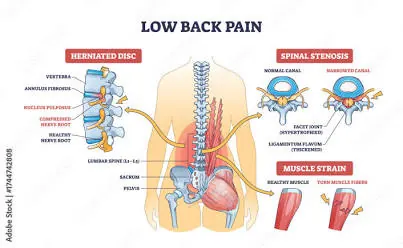
Not every episode of back pain means you have a herniated disc, and a herniated disc does not always cause pain. Muscle strains, arthritis, and other spinal conditions can produce similar symptoms. However, new or worsening weakness, numbness around the groin, or changes in bladder or bowel control can signal a serious problem that needs immediate medical attention.
Understanding what a herniated disc feels like can help you recognize common pain patterns, distinguish possible nerve symptoms from ordinary back discomfort, and decide when to seek medical care. This guide explains the symptoms, causes, differences between disc-related pain and sciatica, expected recovery, and warning signs you should not ignore.
What Does a Herniated Disc Feel Like?
A herniated disc may feel like localized back or neck pain, sharp pain that spreads into an arm or leg, or an electric, burning sensation caused by nerve irritation. The exact symptoms depend on the disc’s location, whether nearby nerves are affected, and the severity of any nerve compression.
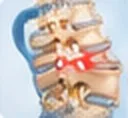
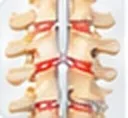
The spinal discs sit between the vertebrae and help absorb everyday movement and loading. A herniation occurs when material inside a disc pushes through a weakened area of its outer layer. If this irritates or compresses a nearby nerve, symptoms may extend beyond the spine.
Common sensations include:
-
Aching or stiffness: Discomfort in the lower back or neck, sometimes with reduced flexibility.
-
Sharp or shooting pain: Pain that travels into a buttock, leg, shoulder, or arm.
-
Burning or electric pain: A nerve-like sensation that may follow a particular path.
-
Tingling or numbness: Pins and needles or reduced sensation in an affected limb.
-
Muscle weakness: Difficulty lifting the foot, gripping objects, or pushing off while walking, depending on the nerve involved.
Symptoms vary considerably. Some people mainly experience back pain, while others develop leg or arm symptoms with little pain directly over the affected disc.
What Are the Common Pain Patterns of a Herniated Disc?
The location of a herniated disc helps explain where symptoms may appear, although pain location alone cannot confirm the diagnosis.
| Disc location | Possible symptoms | Activities that may aggravate symptoms |
|---|---|---|
| Lumbar (lower back) | Lower back pain, buttock pain, shooting leg pain, foot tingling | Bending, lifting, prolonged sitting |
| Cervical (neck) | Neck pain, shoulder or arm pain, hand tingling or weakness | Certain neck movements, prolonged head-down posture |
| Thoracic (mid-back) | Mid-back pain, sometimes band-like discomfort around the chest or ribs | Trunk movements or certain positions |
Can a Herniated Disc Cause Leg Pain Without Back Pain?
Yes. A herniated disc in the lower back can irritate a nerve root and cause leg pain even when back pain is minimal or absent. This pattern is commonly associated with sciatica, which describes symptoms along the sciatic nerve pathway rather than a specific structural diagnosis.
Pain may travel from the buttock down the thigh and into the calf or foot. Depending on the affected nerve, numbness, tingling, or weakness may accompany it. Learn more about how herniated disc pain can travel down the leg.
Can a Herniated Disc Cause Lower Back Pain?
Yes. A lumbar disc herniation can cause localized back pain, particularly when surrounding tissues are irritated. However, lower back pain also commonly results from muscle strain, joint problems, and other conditions.
Pain that worsens with bending or lifting may occur with a disc problem, but this pattern is not specific enough to identify the cause by itself. For a broader comparison, see common causes of lower back pain.
What Causes a Herniated Disc?
A herniated disc can develop when the disc’s outer layer weakens or develops a tear, allowing inner material to protrude. Age-related changes are common, but symptoms can also begin after lifting, twisting, or another physical strain.
Possible contributing factors include:
-
Age-related disc wear and reduced disc flexibility.
-
Repeated bending, twisting, or heavy lifting.
-
Smoking, which is associated with poorer disc health.
-
Excess body weight, which can increase mechanical stress on the spine.
-
Previous back injuries or physically demanding activities.
A disc can also herniate without one clearly identifiable injury. Understanding what causes back pain besides a disc problem can help explain why symptoms alone cannot establish the cause.
How Is a Herniated Disc Different From a Bulging Disc or Sciatica?
These terms describe different things. A herniated disc is a structural change, while sciatica describes a pattern of pain and other symptoms associated with irritation of the sciatic nerve or its roots.
| Condition | What it means | Typical symptoms |
|---|---|---|
| Herniated disc | Disc material protrudes through a weakened outer layer | Back pain, nerve pain, or no symptoms |
| Bulging disc | The disc extends beyond its usual boundary over a broader area | Often no symptoms; sometimes back or nerve pain |
| Sciatica | Pain or related symptoms follow the sciatic nerve pathway | Buttock pain, shooting leg pain, tingling or numbness |
| Muscle strain | Muscle or tendon tissue is overstretched or injured | Localized soreness, tenderness, stiffness |
A bulging disc does not necessarily progress to a herniation. Similarly, sciatica can result from causes other than a herniated disc. See how a herniated disc differs from a bulging disc or muscle strain and the difference between a herniated disc and sciatica.
How Do Doctors Diagnose a Herniated Disc?
Diagnosis usually begins with a medical history and physical examination. A clinician may check your strength, sensation, reflexes, walking pattern, and which movements reproduce your symptoms.
An MRI can show disc changes and whether a nerve may be compressed, but imaging findings must be interpreted alongside symptoms and examination results. Disc abnormalities can appear in people who have no pain, so an abnormal scan does not automatically identify the source of discomfort.
Imaging is not always necessary immediately. A clinician may recommend it when symptoms persist despite appropriate treatment, neurological problems are present, or the results could change treatment decisions. Learn when a lower-back MRI may be needed and what an MRI can show about lower-back pain.
What Can Help a Herniated Disc Feel Better?
Treatment depends on symptom severity, neurological findings, and how the condition affects daily activities. Many people initially receive nonsurgical care.
-
Stay gently active: Short walks and regular position changes may be more helpful than prolonged bed rest. Adjust activity if it substantially increases radiating pain.
-
Modify painful movements: Temporarily reduce heavy lifting, repeated twisting, and bending that aggravates symptoms. Avoid movements that trigger new weakness or worsening numbness.
-
Try heat or ice: Either may provide temporary comfort. Protect your skin and avoid prolonged direct contact.
-
Discuss medication safety: Over-the-counter anti-inflammatory medicines may help some people, but they are not appropriate for everyone, including some people with kidney disease, ulcers, cardiovascular conditions, or those taking blood thinners.
-
Consider physical therapy: A tailored program may help restore movement, strength, and function without repeatedly aggravating nerve symptoms.
Practical guidance on relieving back pain at home, choosing heat or ice for back pain, and exercises for lower-back pain can help you discuss suitable options with a clinician.
How Long Does a Herniated Disc Take to Heal?
Symptoms often improve over several weeks, although recovery varies. Pain may settle before numbness or weakness improves, and some people experience recurring symptoms.
| Recovery stage | What may happen |
|---|---|
| Early days | Pain may limit bending, sitting, or walking |
| Following weeks | Pain and movement may gradually improve |
| Persistent symptoms | Further assessment or a revised treatment plan may be needed |
| Ongoing or worsening weakness | Prompt clinical reassessment is important |
There is no guaranteed recovery timeline. Read more about how long a herniated disc may take to heal.
Warning Signs: When Should You Seek Medical Care?
Symptoms that may be monitored: Mild pain that is improving, without weakness or significant numbness, may be monitored while you use appropriate self-care.
Arrange medical evaluation: Seek an appointment for persistent or worsening pain, recurring symptoms, new tingling or numbness, or pain that interferes with sleep, work, or walking. New weakness deserves prompt assessment.
Seek emergency care immediately: New loss of bladder or bowel control, difficulty starting urination, numbness around the groin or inner thighs, or rapidly worsening leg weakness may indicate serious nerve compression. Do not wait for these symptoms to resolve on their own. Severe back pain after a major accident also needs urgent assessment.
For more detail, see warning signs that make back pain an emergency and when persistent lower-back pain needs medical evaluation.
Frequently Asked Questions
1. Can you have a herniated disc without knowing it?
Yes. Some herniated discs cause no noticeable symptoms and are discovered during imaging for another reason.
2. Does a herniated disc always cause severe pain?
No. Symptoms range from absent or mild discomfort to severe pain with nerve involvement. Pain intensity alone does not reliably indicate the severity of the disc abnormality.
3. Does a herniated disc hurt more when sitting?
It can. Sitting may aggravate symptoms in some people, particularly when it increases pressure or irritation around an affected nerve. Changing positions regularly may help.
4. Can coughing or sneezing make disc pain worse?
Yes. Coughing or sneezing can temporarily increase pressure around the spine and aggravate existing nerve-related pain. This symptom alone does not confirm a herniation.
5. Can a herniated disc cause numbness in the foot?
Yes. A lumbar disc herniation may irritate nerves supplying the foot, causing numbness or tingling. New or progressive numbness should be assessed, especially if weakness develops.
6. Can walking help a herniated disc?
Gentle walking may help maintain mobility, provided it does not significantly worsen symptoms. Shorter walks with rest breaks may be more tolerable than prolonged activity.
7. Is surgery always necessary?
No. Many people improve with nonsurgical treatment. Surgery may be considered when symptoms remain disabling despite appropriate care or when significant neurological compression requires intervention.
8. Can a herniated disc heal on its own?
Symptoms may improve without surgery, and the herniated material may shrink over time. However, improvement varies, and persistent neurological symptoms need medical attention.
9. Can a herniated disc come back?
Yes. Symptoms can recur, and another herniation can occur. Appropriate activity progression, rehabilitation, and safe lifting habits may help support long-term function.
10. How do you know whether back pain is from a herniated disc?
You cannot reliably tell from pain alone. A clinician considers the symptom pattern, physical examination, medical history, and imaging when indicated.
Conclusion
A herniated disc may cause localized back pain, shooting pain into an arm or leg, tingling, numbness, or weakness. Symptoms vary, and not every disc abnormality causes discomfort. Gentle activity, suitable symptom management, and clinical assessment when needed can help guide recovery. Seek emergency care for new bladder or bowel dysfunction, groin-area numbness, or rapidly worsening weakness.
Disclaimer: This article is provided for educational and informational purposes only.