Not every movement that causes discomfort is harmful, and complete bed rest is rarely the best approach for uncomplicated sciatica. However, repeatedly aggravating nerve pain, lifting heavy objects with poor technique, or pushing through worsening neurological symptoms can make recovery more difficult. The right activity level depends on your symptoms, their cause, and your overall health.
Sciatica describes pain associated with irritation or compression of the sciatic nerve or its contributing nerve roots, rather than a single underlying condition. This guide explains which activities to modify, how to stay safely active, which home treatments may help, and when symptoms need medical attention.
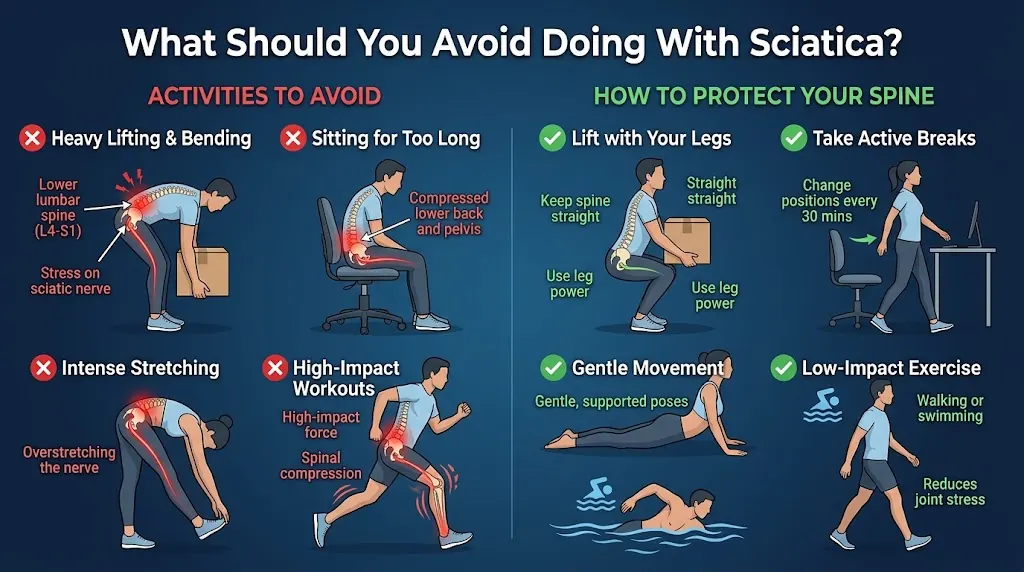
What Should You Avoid Doing With Sciatica?
The main goal is to avoid activities that consistently intensify radiating leg pain, increase numbness or weakness, or place excessive strain on your back. You do not necessarily need to stop exercising, working, or performing everyday tasks.
| Activity to avoid or modify | Why it may aggravate sciatica | A safer alternative |
|---|---|---|
| Heavy lifting with a rounded back | May increase strain on the lower back | Keep loads close and bend through your hips and knees |
| Prolonged sitting | May aggravate symptoms in some people | Change positions regularly and take brief movement breaks |
| Forceful stretching | Can increase nerve-related pain or tingling | Use gentle movements that do not worsen leg symptoms |
| High-impact exercise during a flare | Running or jumping may aggravate symptoms | Try short, comfortable walks if tolerated |
| Twisting while carrying heavy objects | Combines rotation with loading | Turn your feet and whole body instead |
| Staying in bed all day | Prolonged inactivity may contribute to stiffness and reduced conditioning | Alternate rest with tolerable daily movement |
These are general precautions, not universal restrictions. For example, walking may ease symptoms for one person but worsen them for another. Let your symptom response guide activity changes, and seek professional advice if ordinary movement becomes increasingly difficult.
Which Exercises and Movements Should You Avoid With Sciatica?
Avoid forcing movements that cause sharp, shooting pain to travel farther down your leg or increase tingling, numbness, or weakness. Deep forward bends, aggressive hamstring stretches, repeated twisting, heavy squats, and intense workouts may need temporary modification during a flare.
The best choice depends partly on the underlying cause. For example, a herniated disc may irritate a nerve root, while spinal stenosis can produce symptoms that worsen with prolonged standing or walking. Understanding the common causes of sciatica can help explain why a movement that feels comfortable for one person may aggravate another.
| Movement or exercise | What to watch for | Practical adjustment |
|---|---|---|
| Deep forward bends | Increased pain down the leg | Reduce the bending range |
| Hamstring stretches | Burning, tingling, or nerve tension | Avoid pulling forcefully on the leg |
| Heavy squats or deadlifts | Worsening back or leg symptoms | Reduce the load or pause temporarily |
| High-impact exercise | Symptoms that intensify during or after activity | Try gentler activity if comfortable |
| Nerve-gliding exercises | Increasing radiating pain or numbness | Stop and ask a physical therapist for guidance |
These examples are precautions, not a list of permanently forbidden exercises. People experiencing early signs of sciatica may benefit from an individualized movement plan before returning to demanding workouts.
Is walking good for sciatica?
Walking can help maintain mobility and conditioning during sciatica recovery, provided it does not substantially worsen symptoms. Start with short, comfortable walks rather than aiming for a fixed distance or pushing through escalating leg pain.
If walking increases leg heaviness, numbness, or weakness, stop and reassess. Symptoms that repeatedly appear after walking and ease when sitting may warrant evaluation for a condition such as spinal stenosis. Learn more about whether sciatica causes pain when walking.
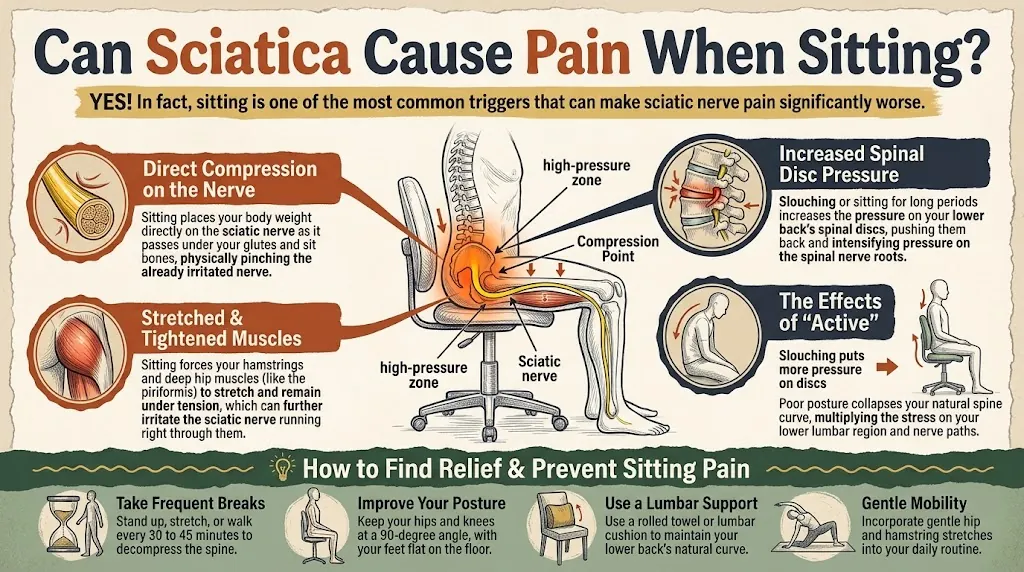
Should You Avoid Sitting, Driving, or Sleeping in Certain Positions?
You do not need to avoid sitting, driving, or sleeping altogether. Instead, change positions and adjust the duration or posture of activities that aggravate your symptoms.
-
Sitting: Take regular movement breaks and use a comfortable chair with lower-back support. If sciatica pain gets worse when sitting, try shorter sitting periods.
-
Driving: Adjust the seat so you can reach the pedals without stretching or twisting. Stop periodically on longer journeys, and do not drive if leg weakness or medication makes driving unsafe.
-
Sleeping: Choose a position that reduces discomfort rather than forcing yourself to sleep in a prescribed posture. These sleeping positions for sciatica relief may help you find a more comfortable position.
-
Working: Alternate sitting and standing when possible. Neither position needs to be maintained for long periods if it aggravates your symptoms.
Research-informed clinical guidance generally favors maintaining normal activities as tolerated instead of prolonged bed rest. NICE recommends supporting self-management and continuing normal activities for low-back pain with or without sciatica, with exercise tailored to individual needs.
What Should You Do Instead of Avoiding All Activity?
The aim is to reduce unnecessary irritation while gradually restoring your usual routine.

1. Keep moving in small amounts
Alternate gentle walking, standing, and comfortable sitting. If you need a break, rest briefly and resume activity when you can.

2. Use heat or cold carefully
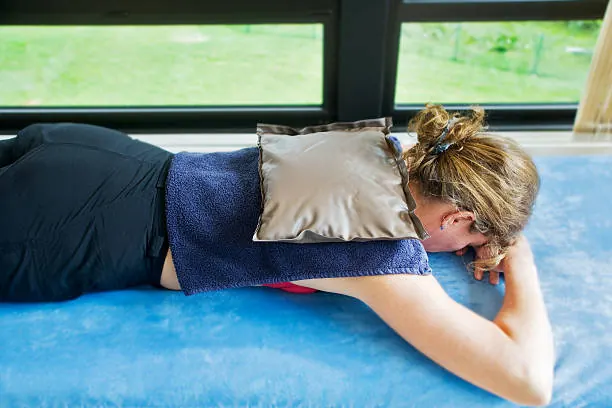
A wrapped cold pack or warm compress may ease discomfort. Avoid direct skin contact, excessive heat, and prolonged applications, particularly where sensation is reduced.

3. Build activity gradually
A tailored exercise program may help restore movement and strength. A physical therapist can help identify suitable exercises for lower-back pain without unnecessarily aggravating nerve symptoms.
For additional strategies, see ways to relieve back pain at home and guidance on choosing heat or ice for back pain. If stress seems to coincide with flare-ups, how stress may worsen sciatica is another factor worth discussing with a clinician.
What Should You Avoid During a Sciatica Flare-Up?
Avoid prolonged bed rest, repeatedly testing painful movements, and taking medication beyond recommended instructions. You should also avoid assuming every episode is caused by a disc problem; herniated disc symptoms can overlap with other causes of nerve pain.
| Approach | Better choice | Why it matters |
|---|---|---|
| Complete bed rest | Gentle activity as tolerated | Helps maintain mobility |
| Forceful stretching | Comfortable, controlled movement | Limits symptom aggravation |
| Self-prescribed medication changes | Ask a clinician or pharmacist | Reduces medication risks |
| Ignoring worsening symptoms | Seek appropriate medical assessment | Helps identify complications |
When Should You Seek Medical Care?
Symptoms you can usually monitor
Mild, familiar symptoms that improve with position changes and do not involve progressive weakness may be monitored while you remain gently active.
Symptoms needing medical evaluation
Arrange an appointment if pain is worsening, limits normal activities, or fails to improve over several weeks. Seek prompt evaluation for new numbness, leg weakness, fever, unexplained weight loss, or significant pain after an injury.
Symptoms requiring emergency care
Go to an emergency department immediately for new difficulty urinating, loss of bladder or bowel control, numbness around the genitals or anus, or severe or worsening weakness affecting both legs. These can indicate serious nerve compression requiring urgent treatmen
For guidance on when back pain is an emergency, do not wait for home treatments to work if warning signs appear.
Frequently Asked Questions
1. Should I stay in bed with sciatica?
No. Brief rest can help during severe discomfort, but prolonged bed rest is generally discouraged.
2. Can stretching make sciatica worse?
Yes. Forceful stretching can aggravate symptoms, so stop movements that increase radiating pain or tingling.
3. Is it safe to exercise with sciatica?
Often, gentle exercise is appropriate, but the type and intensity should match your symptoms and physical abilities.
4. Should I avoid lifting weights?
Temporarily reduce heavy lifting if it worsens symptoms, then return gradually when comfortable or as advised by your clinician.
5. Can sitting too long worsen sciatica?
Yes, prolonged sitting aggravates symptoms for some people. Taking regular movement breaks may help.
6. How should I sleep with sciatica?
Choose a comfortable side-lying or back-sleeping position with pillows for support. See these sleeping positions for lower-back pain.
7. How long does sciatica usually last?
Many cases improve within a few weeks to a few months, although some persist longer. Sciatica recovery time varies with the underlying cause.
8. Can sciatica cause permanent nerve damage?
Persistent nerve compression can sometimes cause lasting weakness or numbness. Progressive neurological symptoms require prompt assessment.
9. When should I see a physical therapist?
Consider physical therapy for lower-back pain when symptoms limit movement or you need guidance on safe exercises.
10. Can sciatica return after recovery?
Yes. Symptoms can recur, so gradual conditioning, safe lifting, and avoiding repeated aggravating activities may help reduce flare-ups.
The Bottom Line
With sciatica, avoid movements that consistently worsen nerve symptoms rather than avoiding all activity. Modify heavy lifting, prolonged positions, and painful exercises; stay gently active as tolerated; and seek medical care for persistent or worsening symptoms. Emergency warning signs always take priority over home treatment.
Disclaimer: This article is provided for educational and informational purposes only.