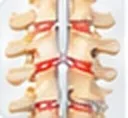
Numbness in a leg or foot can occur alongside lower-back pain when a nerve pathway is irritated. The area affected, whether one or both legs are involved, and whether weakness or bladder symptoms occur are important clues.
Quick answer: Back conditions can irritate or compress nerves that carry sensation into the leg, causing tingling or numbness. Leg numbness has other possible causes too; new, progressive, bilateral, or saddle-area numbness needs prompt or emergency assessment.
How spinal nerves affect leg sensation
Nerve roots leave the lower spine and contribute to nerves that supply the buttock, leg, and foot. Irritation or compression can change sensation along part of this pathway. The pattern depends on which nerve is involved and cannot be mapped precisely from symptoms alone.
Possible causes
A herniated disc, spinal stenosis, or another source of nerve irritation may cause leg symptoms. Peripheral nerve problems, diabetes-related neuropathy, circulation issues, and other conditions can also cause numbness. Back pain does not automatically mean the spine is responsible.
What to monitor
Note whether numbness is constant or intermittent, which areas are affected, and whether it comes with tingling, pain, weakness, balance problems, or changes in walking. Avoid driving or operating machinery if reduced sensation affects safe control.
When numbness is urgent
Arrange prompt evaluation for new or worsening numbness, particularly with weakness. Emergency care is required for numbness around the groin or saddle region, new difficulty urinating, loss of bladder or bowel control, or severe symptoms affecting both legs.
Related back-pain guides
Frequently Asked Questions
1. Can a pinched nerve in the back cause foot numbness?
Yes. Nerve irritation in the lower spine can affect sensation in parts of the foot, but other causes are possible.
2. Can sciatica cause numbness without pain?
Some nerve conditions cause sensory symptoms with little pain, although the pattern needs assessment.
3. Is leg numbness always caused by a herniated disc?
No. Several spinal, peripheral nerve, metabolic, and circulation conditions can cause numbness.
4. Can numbness affect both legs?
Yes, depending on the cause. New symptoms in both legs, especially with weakness or bladder changes, require urgent evaluation.
5. Should I stretch a numb leg?
Do not force stretches to treat unexplained numbness. Seek assessment, particularly if symptoms are new or worsening.
6. Can sitting cause temporary numbness?
Pressure on a peripheral nerve during prolonged positioning can cause temporary tingling, but persistent or recurrent numbness should be assessed.
7. What is saddle numbness?
It is reduced sensation around the groin, genitals, inner thighs, or area that would contact a saddle.
8. Can back pain and leg numbness be an emergency?
Yes, especially with saddle numbness, urinary retention, loss of bowel or bladder control, or progressive weakness.
9. Will an MRI show the cause?
Imaging may identify structural changes, but findings must be interpreted alongside symptoms and examination.
10. When should I see a doctor?
Seek prompt assessment for new, persistent, worsening, or unexplained leg numbness, and emergency care for the red flags above.
Conclusion
Back conditions can irritate or compress nerves that carry sensation into the leg, causing tingling or numbness. Leg numbness has other possible causes too; new, progressive, bilateral, or saddle-area numbness needs prompt or emergency assessment. If symptoms are persistent, worsening, or accompanied by warning signs, seek an appropriate medical assessment.
Medical disclaimer: This article is for educational and informational purposes only. It is not a diagnosis or a substitute for professional medical advice, examination, or treatment. Seek emergency care for severe or rapidly worsening symptoms.