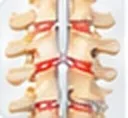
A sneeze creates a quick, forceful movement through the chest, abdomen, and trunk. If your back hurts at that moment, the cause may be a sensitive muscle or joint, but the pattern matters—especially if pain travels into a leg or is accompanied by numbness.
Quick answer: Sneezing can cause a sudden back twinge because it rapidly contracts the trunk muscles and briefly increases pressure around the spine. A strain is one possibility, but radiating pain, weakness, fever, or bladder and bowel changes require medical attention.
Why a sneeze can provoke pain
A sneeze involves rapid muscle contraction and a short pressure change. This can aggravate a healing muscle strain or a sensitive spinal joint. In some people with nerve-root irritation, sneezing may reproduce familiar pain that travels from the lower back into the buttock or leg.
Possible explanations
Common possibilities include a back-muscle strain, irritated facet joints, or an existing disc-related problem. Pain that stays local and improves steadily is different from pain accompanied by progressive weakness, widespread numbness, or systemic symptoms. A sneeze is a trigger, not a diagnosis.
How to respond safely
Avoid deliberately bracing or twisting sharply to stop a sneeze. For mild pain, continue comfortable daily movement, temporarily reduce heavy lifting, and use a wrapped heat or cold pack if helpful. Do not force stretches that reproduce shooting pain. Seek an assessment if symptoms are severe or do not improve.
Warning signs
Urgent evaluation is appropriate for new leg weakness, significant numbness, fever, or pain after major trauma. Go to emergency care for saddle-area numbness, new urinary retention or incontinence, loss of bowel control, or rapidly worsening weakness.
Related back-pain guides
Frequently Asked Questions
1. Can sneezing damage my spine?
A sneeze usually does not damage a healthy spine. It can reveal or aggravate pain from an existing strain or irritated structure.
2. Why does pain shoot down my leg when I sneeze?
A sensitive nerve root may be irritated by the brief pressure change. Radiating pain should be assessed if persistent or associated with numbness or weakness.
3. Does pain when sneezing mean I have a slipped disc?
No. Muscle and joint problems can also hurt with sneezing. Diagnosis requires a clinical history and examination.
4. Can sneezing cause upper-back pain?
Yes. The muscles between the ribs and around the shoulder blades contract during a sneeze and may become painful if strained.
5. Should I lie down after a painful sneeze?
Not usually. Short rest may be reasonable, but prolonged bed rest can increase stiffness. Resume gentle movement as tolerated.
6. Can allergies cause back pain?
Allergies do not usually directly cause spinal pain, but frequent sneezing may strain chest-wall or back muscles.
7. Why does one side of my back hurt when I sneeze?
A localized muscle or joint may be more sensitive on one side. Persistent one-sided pain or pain with abdominal, urinary, or fever symptoms needs assessment.
8. Will heat help?
Gentle heat may relax tight muscles; a wrapped cold pack may feel better after a recent strain. Use whichever is comfortable.
9. How long should sneeze-related pain last?
Minor muscular pain often improves over days to a few weeks. Worsening or persistent symptoms should be evaluated.
10. When is back pain with sneezing an emergency?
Emergency signs include new bladder or bowel dysfunction, groin numbness, severe progressive leg weakness, or major trauma.
Conclusion
Sneezing can cause a sudden back twinge because it rapidly contracts the trunk muscles and briefly increases pressure around the spine. A strain is one possibility, but radiating pain, weakness, fever, or bladder and bowel changes require medical attention. If symptoms are persistent, worsening, or accompanied by warning signs, seek an appropriate medical assessment.
Medical disclaimer: This article is for educational and informational purposes only. It is not a diagnosis or a substitute for professional medical advice, examination, or treatment. Seek emergency care for severe or rapidly worsening symptoms.