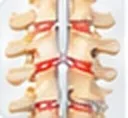
A cough can trigger a sharp catch in the lower, middle, or upper back. It may happen only during a forceful cough or linger afterward. The pattern, location, recent illness, and other symptoms help distinguish a strained muscle from a condition that needs prompt care.
Quick answer: Back pain during coughing can occur when the sudden force of a cough strains muscles or briefly increases pressure around sensitive spinal structures. It is often mechanical, but pain with fever, breathing difficulty, chest symptoms, or neurological changes needs medical assessment.
How coughing can trigger back pain
Coughing contracts the abdominal and trunk muscles and creates a brief rise in pressure through the chest and abdomen. If back muscles are already strained, the movement can reproduce pain. A sensitive disc or irritated nerve may also become more noticeable during coughing, sneezing, or straining. Pain triggered by a cough does not, by itself, prove that a disc is damaged.
Common causes to consider
A muscle strain is more likely after lifting, exercise, or repeated coughing during a respiratory infection. Joint irritation or an existing spinal condition can also make sudden trunk movement uncomfortable. Less commonly, pain may come from the lungs, ribs, kidneys, or another internal structure; symptoms outside the back help guide assessment.
What may help
If symptoms are mild and there are no warning signs, reduce heavy lifting briefly, keep moving within comfort, and try gentle walking. A wrapped heat or cold pack may provide short-term comfort. Avoid forceful stretching or movements that cause pain to shoot down a leg. Persistent or recurring pain should be assessed rather than repeatedly self-treated.
When coughing-related back pain is urgent
Seek urgent medical care for back pain with fever, chills, feeling very unwell, unexplained weight loss, recent significant injury, or a history of cancer or immune suppression. Emergency assessment is needed for new bladder or bowel dysfunction, numbness around the groin, progressive leg weakness, chest pain, or difficulty breathing.
Related back-pain guides
Frequently Asked Questions
1. Can coughing cause a pulled muscle in my back?
Yes. Repeated or forceful coughing can strain muscles around the ribs and spine, especially if they are already fatigued.
2. Can a herniated disc hurt when I cough?
Coughing can briefly increase pressure and aggravate pain from an already irritated spinal nerve, but this symptom alone cannot diagnose a herniated disc.
3. Why does my lower back hurt only when I cough?
A movement-sensitive muscle, joint, or spinal structure may hurt only during the brief forceful contraction. A clinician can assess persistent or worsening pain.
4. Can coughing cause pain between my shoulder blades?
It can, particularly when chest-wall or upper-back muscles are strained. Pain with breathing symptoms or chest discomfort needs prompt evaluation.
5. Should I stop coughing to protect my back?
Do not suppress a medically necessary cough without advice. Treat the underlying respiratory illness appropriately and seek care if coughing is severe or persistent.
6. Is back pain when coughing a sign of sciatica?
Not necessarily. Sciatica usually involves pain radiating into a buttock or leg, sometimes with tingling, numbness, or weakness.
7. Can bronchitis cause back pain?
Repeated coughing with bronchitis can strain chest-wall and back muscles. Fever, shortness of breath, or worsening illness warrants medical assessment.
8. How long does cough-related back pain last?
A mild muscle strain may improve over days to a few weeks. Lack of improvement, recurrence, or new symptoms should prompt assessment.
9. Can I use heat for back pain after coughing?
Gentle heat may ease muscle tightness for some people. Protect the skin and stop if it worsens symptoms.
10. When should I see a doctor?
Arrange assessment if pain is severe, persists, repeatedly returns, follows injury, or occurs with fever, breathing difficulty, numbness, or weakness.
Conclusion
Back pain during coughing can occur when the sudden force of a cough strains muscles or briefly increases pressure around sensitive spinal structures. It is often mechanical, but pain with fever, breathing difficulty, chest symptoms, or neurological changes needs medical assessment. If symptoms are persistent, worsening, or accompanied by warning signs, seek an appropriate medical assessment.
Medical disclaimer: This article is for educational and informational purposes only. It is not a diagnosis or a substitute for professional medical advice, examination, or treatment. Seek emergency care for severe or rapidly worsening symptoms.