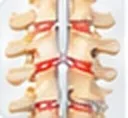
Bending forward to tie shoes, pick something up, or reach toward the floor can trigger lower-back pain. Some people feel a pulling sensation across the back; others notice pain traveling into a buttock or leg. Understanding the pattern helps guide safe next steps.
Quick answer: Pain when bending forward can arise from muscles, joints, discs, hips, or other structures. The movement trigger alone cannot identify the cause. Persistent symptoms, leg weakness, numbness, or bladder and bowel changes require medical evaluation.
What happens when you bend forward
Forward bending changes the position and load through the spine, hips, and surrounding muscles. If a muscle is strained or a spinal structure is sensitive, the movement may reproduce pain. Different conditions can produce similar symptoms, so bending pain alone is not diagnostic.
Possible causes
Common explanations include muscle strain, joint irritation, disc-related pain, and reduced hip mobility that changes how you bend. Pain that radiates below the knee or comes with tingling, numbness, or weakness may involve a nerve and deserves assessment.
Modify the movement
Avoid repeatedly testing a painful range. When lifting, bring the object close, use the hips and knees as comfortable, and avoid combining a heavy load with twisting. Keep daily movement gentle and progressive. Stop exercises that increase radiating pain or cause new neurological symptoms.
When to seek medical advice
Book an assessment if pain is not improving, keeps returning, or interferes with normal activities. Seek prompt care for new leg weakness, significant numbness, fever, or unexplained symptoms. Emergency assessment is required for groin numbness, urinary retention, loss of bladder or bowel control, or severe progressive weakness.
Related back-pain guides
Frequently Asked Questions
1. Does bending pain mean I have a herniated disc?
No. Muscle and joint conditions can also hurt during forward bending. A diagnosis requires a broader clinical assessment.
2. Why does pain travel into my leg when I bend?
A nerve may be irritated, but other causes are possible. Persistent radiating pain, tingling, numbness, or weakness should be evaluated.
3. Should I avoid bending completely?
Usually not. Temporarily modify painful tasks, then gradually restore comfortable movement rather than avoiding all bending indefinitely.
4. Is it better to bend at the hips?
Using the hips and knees can distribute movement and load, especially when lifting. Choose a comfortable technique rather than forcing a rigid rule.
5. Can tight hamstrings cause back pain when bending?
Limited hip or hamstring mobility may change movement mechanics, but it is rarely possible to identify the cause from tightness alone.
6. Can I stretch my lower back?
Gentle movement may help some people, but stop if a stretch increases pain or causes symptoms to travel down the leg.
7. Why is bending worse in the morning?
Stiffness after rest can make early movement uncomfortable. Persistent marked morning stiffness or other symptoms warrants clinical review.
8. Can bending forward cause sciatica?
Bending may aggravate existing nerve-related symptoms in some people, but it does not by itself cause or confirm sciatica.
9. How long does a back strain last?
Many uncomplicated strains improve over days to weeks, but recovery varies. Seek assessment if symptoms worsen or fail to improve.
10. What symptoms mean emergency care?
New bladder or bowel dysfunction, numbness around the groin, or severe progressive leg weakness requires emergency assessment.
Conclusion
Pain when bending forward can arise from muscles, joints, discs, hips, or other structures. The movement trigger alone cannot identify the cause. Persistent symptoms, leg weakness, numbness, or bladder and bowel changes require medical evaluation. If symptoms are persistent, worsening, or accompanied by warning signs, seek an appropriate medical assessment.
Medical disclaimer: This article is for educational and informational purposes only. It is not a diagnosis or a substitute for professional medical advice, examination, or treatment. Seek emergency care for severe or rapidly worsening symptoms.