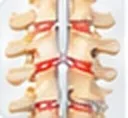
Running can expose the back to repeated loading and trunk movement. A mild ache after an unfamiliar distance may settle, but recurring or sharp pain deserves a closer look at training changes, recovery, footwear comfort, and other symptoms.
Quick answer: Back pain after running can reflect training-load changes, muscle fatigue, running mechanics, or an unrelated spinal or hip condition. Reduce aggravating load temporarily, return gradually, and seek assessment for persistent pain, radiating symptoms, or neurological changes.
How running may affect the back
Running repeatedly loads the legs, pelvis, and trunk. Fatigue, a sudden increase in distance or speed, hills, or inadequate recovery can make muscles sore. However, running does not automatically damage spinal discs, and back pain should not be blamed on technique without assessment.
Common contributing factors
Potential contributors include a recent training increase, reduced trunk or hip strength, muscle strain, limited recovery, or a pre-existing back condition. Pain radiating into the leg, tingling, numbness, or weakness suggests that nerve involvement should be considered.
Adjust training without complete inactivity
Pause speed work, hills, or long runs that clearly worsen symptoms. Maintain comfortable walking or other low-impact activity if tolerated. Resume running with shorter, easier sessions only when daily movement is comfortable, increasing one training variable at a time.
When to get assessed
Seek a clinician or physical therapist if pain persists, repeatedly returns, changes your stride, or limits normal activity. Prompt evaluation is important for progressive leg weakness, significant numbness, fever, or pain after trauma.
Related back-pain guides
Frequently Asked Questions
1. Is it normal for my back to hurt after running?
Temporary muscle soreness can occur after unfamiliar activity, but recurring or severe back pain should not be dismissed as normal.
2. Should I stop running completely?
You may need to reduce or pause the activities that reproduce pain, but comfortable daily movement is often reasonable.
3. Can weak core muscles cause running back pain?
Trunk strength may influence load tolerance, but back pain is multifactorial and cannot be attributed to one muscle group alone.
4. Can running cause a herniated disc?
Running is not a typical single cause of a herniated disc. Persistent radiating symptoms need clinical assessment.
5. Should I stretch before running?
A comfortable warm-up and gradual build-up can prepare you for activity. Avoid aggressive stretches that provoke back or leg symptoms.
6. Can shoes cause back pain?
Footwear comfort and changes in running shoes may affect how running feels, but shoes alone rarely explain all back pain.
7. How soon can I run again?
Return when everyday movement is comfortable and symptoms are settling. Start with easy, short sessions and increase gradually.
8. Why does my back hurt after running uphill?
Hills change the demands on the hips and trunk and may expose a load tolerance issue. Reduce hill work while symptoms settle.
9. Is walking better than running during recovery?
Walking is lower impact and may be more comfortable temporarily. Choose activity based on symptoms and professional advice.
10. What symptoms mean I should seek urgent care?
New bladder or bowel dysfunction, groin numbness, severe progressive weakness, or major trauma requires urgent or emergency care.
Conclusion
Back pain after running can reflect training-load changes, muscle fatigue, running mechanics, or an unrelated spinal or hip condition. Reduce aggravating load temporarily, return gradually, and seek assessment for persistent pain, radiating symptoms, or neurological changes. If symptoms are persistent, worsening, or accompanied by warning signs, seek an appropriate medical assessment.
Medical disclaimer: This article is for educational and informational purposes only. It is not a diagnosis or a substitute for professional medical advice, examination, or treatment. Seek emergency care for severe or rapidly worsening symptoms.