Back pain is often associated with muscles, joints, discs, nerves, prolonged sitting, or physical activity. But in some women, the source of lower back discomfort may be related to the pelvis rather than the spine. If you have back pain along with heavy periods, pelvic pressure, abdominal fullness, constipation, or frequent urination, you may wonder whether uterine fibroids could be responsible.
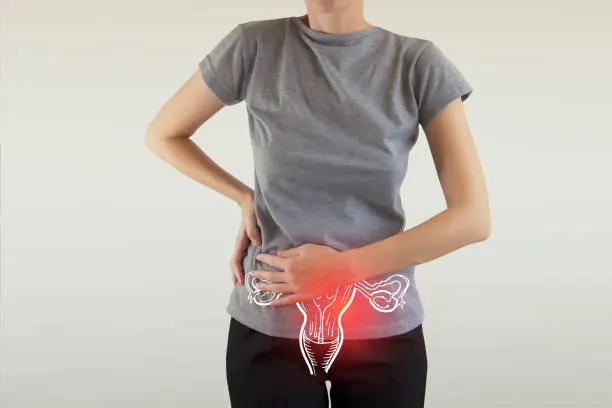
Yes, fibroids can cause lower back pain. Uterine fibroids are noncancerous growths that develop in or around the uterus. Many fibroids never cause symptoms, but larger fibroids or those positioned near certain pelvic structures can create pressure and discomfort. In some women, that pressure is felt in the lower back.
However, having fibroids does not automatically mean they are the cause of your back pain. Back pain is common and may have an unrelated musculoskeletal cause. Understanding the difference between fibroid-related symptoms and other potential sources of back pain can help you decide when a medical evaluation is appropriate.
What Are Uterine Fibroids?
Uterine fibroids, also called leiomyomas or myomas, are growths made primarily of smooth muscle and connective tissue that develop in or around the uterus.
Fibroids are almost always noncancerous and are particularly common during the reproductive years. A woman may have one fibroid or several, and they can vary considerably in size.
Doctors generally classify fibroids according to where they develop:
Intramural Fibroids
These grow within the muscular wall of the uterus and are one of the most common types.
Submucosal Fibroids
These grow toward the inside of the uterine cavity. They are often associated with heavy or abnormal menstrual bleeding.
Subserosal Fibroids
These develop on the outside of the uterus and may grow outward toward nearby pelvic structures.
Some fibroids develop on a stalk and are called pedunculated fibroids. The size, number, and location of fibroids can influence which symptoms a woman experiences.
Can Fibroids Cause Lower Back Pain?
Yes, uterine fibroids can cause lower back pain, particularly when they become large enough to create pressure within the pelvis.
A larger fibroid can take up additional space and put pressure on surrounding tissues. Depending on its location, this may cause pelvic heaviness, abdominal discomfort, or aching that is felt in the lower back.
Fibroid-related discomfort may be more noticeable when the uterus becomes significantly enlarged or when pressure affects nearby structures.
It is important to remember that fibroids are only one possible explanation. If you are trying to understand your symptoms more broadly, reviewing the common causes of back pain can help explain why a gynecological cause is not always responsible.
Why Can Fibroids Cause Back Pain?
Several factors may contribute to back discomfort when fibroids are present.
Pressure From a Large Fibroid
A large fibroid can increase pressure within the pelvis. Depending on its position, that pressure may be experienced as discomfort in the lower abdomen, pelvis, or lower back.
Pelvic Pressure and Heaviness
Some women with fibroids experience a persistent feeling of fullness or heaviness in the lower abdomen. This pressure may become more noticeable after standing for long periods or as the fibroids increase in size.
Pressure on Nearby Organs
A sufficiently large fibroid can press against structures such as the bladder or bowel. This may lead to urinary frequency, difficulty emptying the bladder, constipation, or pelvic discomfort.
Changes in Pelvic Mechanics
When fibroids substantially enlarge the uterus, they can change the physical relationship between structures within the pelvis. This may contribute to discomfort involving the lower back in some women.
The exact reason for back pain can be difficult to determine from symptoms alone, which is why persistent pain should not automatically be attributed to fibroids.
What Does Fibroid-Related Back Pain Feel Like?
There is no single type of pain that proves a fibroid is responsible.
Some women may experience:
- A dull or aching pain in the lower back
- A sensation of pelvic pressure or heaviness
- Lower back discomfort occurring alongside painful or heavy periods
- Abdominal or pelvic fullness together with back discomfort
- Pain that becomes more noticeable as other fibroid symptoms worsen
The location and size of the fibroid matter. Some women have significant fibroids with few symptoms, while others experience considerable pressure or discomfort.
Symptoms of Fibroids Besides Back Pain
Back pain is only one possible symptom of uterine fibroids.
Other symptoms may include:
- Heavy menstrual bleeding
- Periods that last longer than usual
- Painful menstrual cramps
- Pelvic pressure or fullness
- Frequent urination
- Difficulty completely emptying the bladder
- Constipation
- Abdominal enlargement
- Pain during sexual intercourse
- Pelvic or abdominal pain
Not every woman with fibroids experiences symptoms, and the severity of symptoms does not always correspond directly to the number of fibroids.
How to Tell If Fibroids May Be Causing Your Back Pain
There is no home test that can confirm that a fibroid is causing your back pain.
However, a gynecological cause may be more worth investigating when lower back pain occurs together with several pelvic or menstrual changes.
For example, pay attention if you also have:
- New or unusually heavy periods
- Menstrual bleeding that lasts longer than usual
- Persistent pelvic pressure
- Increasing abdominal fullness
- Frequent urination
- Constipation associated with pelvic pressure
- Painful periods that have become different from your usual pattern
These symptoms do not establish a diagnosis. They simply provide useful information for a healthcare professional evaluating the possible source of your symptoms.
Fibroid Back Pain vs. Musculoskeletal Lower Back Pain
This distinction is important because many different conditions can cause lower back pain.
A musculoskeletal problem may develop after lifting, repetitive activity, prolonged sitting, exercise, or an awkward movement. The pain may change when you bend, twist, sit, stand, or walk.
By contrast, fibroid-related discomfort becomes more suspicious when back pain occurs alongside heavy menstrual bleeding, pelvic pressure, abdominal fullness, urinary changes, or other gynecological symptoms.
The two causes can also exist at the same time.
For example, a woman could have a uterine fibroid and a separate muscle strain or spinal condition. Treating the fibroid would not necessarily resolve pain coming from the muscles, joints, discs, or nerves.
If your symptoms seem more consistent with a general lower back problem, understanding lower back pain causes can help put the symptoms into a broader context.
Can Fibroids Cause Back Pain and Constipation?
Yes, fibroids can sometimes contribute to constipation. A larger fibroid may put pressure on the bowel, making bowel movements more difficult.
This can create a combination of symptoms such as:
Fibroid growth → pelvic pressure → bowel symptoms + pelvic or lower back discomfort
At the same time, constipation itself can contribute to abdominal discomfort and may be accompanied by back discomfort. Repeated straining can also increase pressure inside the abdomen.
If constipation is occurring alongside your back symptoms, it may be useful to understand how constipation can cause back pain, particularly when bowel symptoms appear to worsen at the same time as abdominal or pelvic pressure.
Constipation and back pain can also occur in the opposite direction. Changes in activity, discomfort, medications, or other factors may affect bowel habits, so whether back pain can make you constipated is another distinction worth considering.
Can Fibroids Cause Leg or Hip Pain?
Fibroids can cause pressure or discomfort in the pelvis, and some women may notice pain extending toward the hip or nearby areas.
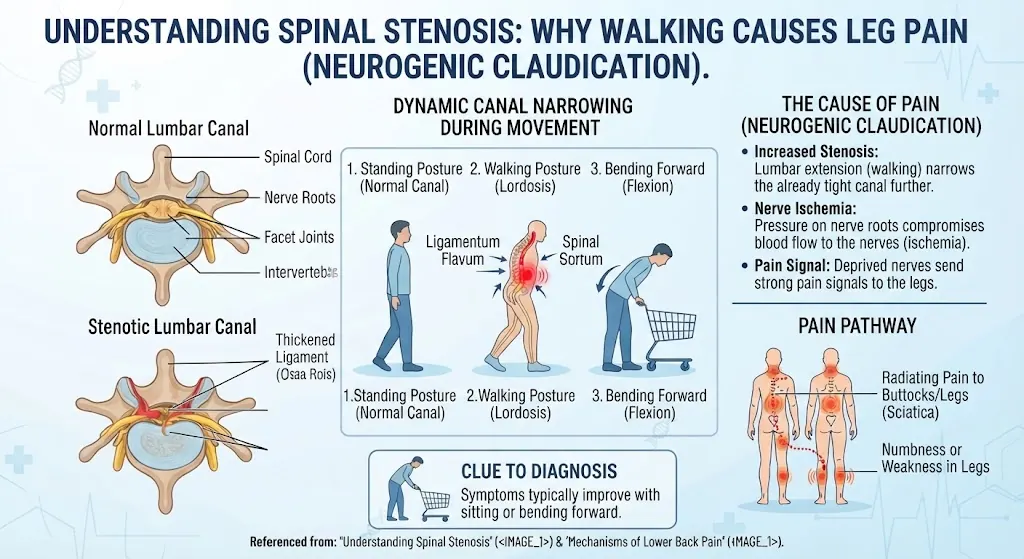
However, pain traveling down the leg is not specific to fibroids. Conditions involving the lumbar spine, nerves, hip, or surrounding muscles are common causes of radiating leg pain.
If back pain is accompanied by persistent numbness, tingling, significant weakness, or difficulty walking, it should be medically evaluated rather than automatically attributed to a fibroid.
Can Fibroids Cause One-Sided Back Pain?
Possibly, but one-sided back pain is not specific to uterine fibroids.
The location of pelvic pressure may influence where discomfort is felt, but pain on one side of the back can have many other causes involving the muscles, joints, nerves, urinary system, or other organs.
For example, women experiencing left-sided symptoms can review information about lower left-sided back pain in women, while pain primarily affecting the right side may have a different range of possible explanations, including those discussed under lower back pain on the right side.
These patterns should not be used to diagnose a fibroid. They are simply reminders that the location of pain alone cannot identify its source.
What Causes Fibroids?
The exact cause of uterine fibroids is not completely understood.
Hormones such as estrogen and progesterone appear to influence fibroid growth, while genetic factors may also play a role. A family history of fibroids may increase the likelihood of developing them.
Other characteristics, including age and body weight, have also been associated with fibroid development. Having one or more risk factors does not mean that a person will definitely develop fibroids.
How Are Fibroids Diagnosed?
If symptoms suggest that fibroids may be contributing to pelvic or back discomfort, a healthcare professional may begin with a medical history and pelvic examination.
During an examination, the uterus may feel enlarged or irregular. Imaging is often used to determine whether fibroids are present and to assess their size and location.
Ultrasound
Pelvic ultrasound is commonly used to identify and evaluate uterine fibroids.
Depending on the situation, ultrasound may be performed through the abdomen or vagina. It can help show the number, size, and location of fibroids.
MRI
MRI provides more detailed images of the uterus and surrounding structures. It may be useful when more precise information is needed, particularly when treatment is being considered.
Other Tests
Depending on the symptoms and suspected location of the fibroid, a clinician may recommend additional testing, such as hysteroscopy or other imaging procedures.
The appropriate diagnostic approach depends on the individual situation.
How Are Fibroids Treated?
There is no single treatment that is right for every fibroid.
If fibroids are small and causing few or no symptoms, a healthcare professional may recommend monitoring rather than immediate treatment.
Treatment may be considered when fibroids cause significant bleeding, pain, pelvic pressure, anemia, fertility concerns, or other problems.
Pain-Relief Medicines
Some medications can help manage pain and menstrual symptoms. Nonsteroidal anti-inflammatory drugs, such as ibuprofen or naproxen, may help with certain types of menstrual pain and can reduce menstrual bleeding in some people.
These medications are not appropriate for everyone, however, and they do not remove fibroids. Ask a healthcare professional whether a particular medication is appropriate for you.
Hormonal Medicines
Hormonal treatments can help control heavy menstrual bleeding and other symptoms. Some medications that affect reproductive hormones may temporarily reduce fibroid size.
The choice depends on factors such as symptoms, medical history, and reproductive plans.
Uterine Fibroid Embolization
Uterine fibroid embolization (UFE) is a minimally invasive procedure that reduces blood flow to fibroids, causing them to shrink.
It may be an option for some women who want to treat symptomatic fibroids without traditional surgery.
Myomectomy
A myomectomy removes fibroids while leaving the uterus in place.
It may be considered for women who want to preserve the uterus, including some women who hope to become pregnant. The surgical approach depends on the number, size, and location of the fibroids.
Hysterectomy
A hysterectomy removes the uterus and provides definitive treatment for uterine fibroids.
Because pregnancy is no longer possible following a hysterectomy, this is a major personal and medical decision. Age, symptoms, overall health, and reproductive goals all matter when considering this option.
Other Minimally Invasive Treatments
Depending on the type and location of the fibroid and the available expertise, other treatments may include radiofrequency fibroid ablation or focused ultrasound procedures.
Treatment should be individualized rather than selected based only on fibroid size.
Will Treating Fibroids Get Rid of Back Pain?
It may, but it is not guaranteed.
If a fibroid is creating pelvic pressure that contributes to back discomfort, reducing or removing the fibroid may improve that component of the pain.
But back pain can have more than one cause.
For example:
Fibroids + prolonged sitting + muscle strain
In this situation, treating the fibroids may reduce pelvic pressure while leaving a separate musculoskeletal source of back pain.
This is why persistent symptoms may require evaluation of both the gynecological and musculoskeletal possibilities. General back pain symptoms and possible causes can vary considerably depending on the underlying problem.
Can Fibroids Shrink Naturally?
Fibroids may remain stable or shrink over time, and they commonly become smaller after menopause as reproductive hormone levels decline.
However, you should not assume that a symptomatic fibroid will disappear without evaluation.
If you have persistent pain, heavy bleeding, anemia, urinary problems, bowel symptoms, or increasing abdominal fullness, discuss the symptoms with a healthcare professional.
When Should You See a Doctor?
Make an appointment with a healthcare professional if you experience:
- Persistent pelvic or lower back pain
- Heavy or unusually prolonged periods
- Bleeding between periods
- Increasing abdominal fullness
- Frequent urination
- Difficulty emptying your bladder
- Persistent constipation
- Unexplained fatigue or weakness
- Pain during sex
These symptoms can have many possible causes, so medical evaluation is important rather than assuming that fibroids are responsible.
Women with symptoms that occur alongside menstrual changes may also benefit from discussing other gynecological conditions. For example, fibroids and back pain can overlap with symptoms caused by other pelvic conditions, making an appropriate diagnosis important.
When Is Fibroid Pain an Emergency?
Most fibroid symptoms are not emergencies, but severe or rapidly developing symptoms should not be ignored.
Seek Urgent Medical Care If You Have:
- Sudden, severe pelvic or abdominal pain
- Very heavy vaginal bleeding
- Heavy bleeding accompanied by weakness, fainting, or significant lightheadedness
- Severe pain that is rapidly worsening or difficult to control
- Other symptoms suggesting significant blood loss
Rare complications involving a fibroid’s blood supply can cause sudden pain. Severe symptoms require prompt medical assessment rather than assuming they are simply normal fibroid symptoms.
Also seek urgent evaluation for back pain accompanied by serious neurological symptoms such as new leg weakness, loss of bladder or bowel control, or numbness around the groin or inner thighs. Those symptoms may indicate a spinal or nerve problem rather than a fibroid.
What Can You Do for Fibroid-Related Back Pain?
If fibroids have been diagnosed and your healthcare professional believes they are contributing to your symptoms, addressing the underlying fibroid problem is more important than treating the back alone.
In the meantime:
- Track your symptoms: Record when the back or pelvic pain occurs.
- Track your menstrual cycle: Note whether symptoms become worse before or during your period.
- Record bleeding changes: Write down unusually heavy or prolonged bleeding.
- Stay gently active: Light movement may help maintain general mobility unless you have been advised otherwise.
- Use appropriate pain relief: Ask your healthcare professional which medications are safe for you.
- Attend follow-up appointments: Fibroid size and symptoms can change over time.
A symptom diary can be particularly useful. If your lower back pain repeatedly appears alongside pelvic pressure, heavy periods, constipation, or menstrual changes, that pattern gives your healthcare professional more information when determining the possible cause.
Conclusion
Can fibroids cause back pain? Yes. Uterine fibroids can contribute to lower back pain, especially when they become large enough to create pressure within the pelvis or affect nearby structures.
Fibroids may also cause heavy or prolonged periods, pelvic pressure, abdominal fullness, constipation, frequent urination, painful periods, and discomfort during sex. However, these symptoms are not unique to fibroids.
Having fibroids does not automatically mean that they are responsible for your back pain. Muscles, joints, discs, nerves, and other conditions can cause back pain independently of a uterine problem. In some cases, more than one condition may be contributing to the symptoms.
If you have lower back pain together with heavy periods, pelvic pressure, abdominal enlargement, urinary changes, or constipation, discuss the combination with a healthcare professional. Diagnosis may involve a pelvic examination and imaging such as ultrasound, depending on your symptoms.
Treatment ranges from monitoring and medication to procedures such as uterine fibroid embolization, myomectomy, and hysterectomy. The appropriate choice depends on the fibroid’s size and location, the severity of symptoms, overall health, and reproductive goals.
Frequently Asked Questions
1. Can fibroids cause lower back pain?
Yes. Fibroids can contribute to lower back pain, particularly when they become large enough to create pressure within the pelvis or affect surrounding structures.
2. What does fibroid back pain feel like?
Fibroid-related back discomfort may feel like a dull ache, pressure, or heaviness in the lower back or pelvis. The sensation varies depending on the size and location of the fibroid.
3. Can fibroids cause back pain and constipation?
Yes. A larger fibroid may put pressure on the bowel and contribute to constipation while also causing pelvic or lower back discomfort.
4. Can fibroids cause severe back pain?
Fibroids can contribute to significant pelvic or back discomfort, but severe pain should not automatically be attributed to them. Sudden or severe pain requires medical evaluation because other conditions can cause similar symptoms.
5. Can fibroids cause pain on one side of the back?
They may contribute to localized discomfort depending on the location and size of the fibroid, but one-sided back pain is not specific to fibroids and has many possible causes.
6. How are fibroids diagnosed?
A healthcare professional may use a medical history, pelvic examination, and imaging. Pelvic ultrasound is commonly used, while MRI may provide more detailed information when needed.
7. How are fibroids treated?
Treatment may include monitoring, medication, uterine fibroid embolization, myomectomy, hysterectomy, or other minimally invasive procedures. The best option depends on symptoms, fibroid characteristics, overall health, and reproductive goals.
8. Will removing fibroids stop my back pain?
It may if the fibroids are contributing to the pain. However, back pain can have multiple causes, so treating fibroids does not guarantee complete relief.
9. Can fibroids go away without treatment?
Fibroids may remain stable or shrink, particularly after menopause. However, symptomatic fibroids should be discussed with a healthcare professional rather than assuming they will disappear.
10. When should I see a doctor about fibroid-related back pain?
See a healthcare professional for persistent back or pelvic pain, heavy or prolonged periods, bleeding between periods, urinary problems, constipation, or increasing abdominal fullness. Seek urgent medical care for sudden severe pelvic pain or heavy bleeding accompanied by weakness, fainting, or significant lightheadedness.
Disclaimer: This article is intended for educational purposes only and should not be considered personalized medical advice