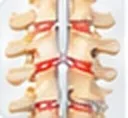
Lower-back discomfort after sitting is common during desk work, driving, studying, or long trips. It may feel stiff when you stand, ache across the beltline, or spread into the buttock. Sitting is not automatically harmful, but staying in one position for too long can aggravate symptoms.
Quick answer: Lower-back pain after sitting may relate to sustained posture, reduced movement, muscle fatigue, or an underlying spinal or hip condition. Frequent position changes and gradual activity can help, but persistent pain or neurological symptoms need assessment.
Why sitting can aggravate the lower back
Sitting holds the trunk and hips in a relatively fixed position. Over time, muscles may fatigue and joints can feel stiff, particularly when you rarely change position. Some people with disc or nerve irritation notice symptoms increase with prolonged sitting, while others feel worse when standing or walking.
Common causes
Possible contributors include nonspecific mechanical back pain, muscle fatigue, disc-related irritation, hip stiffness, and an unsuitable workstation or driving position. Pain after sitting does not identify one specific diagnosis. The presence of leg pain, tingling, numbness, or weakness changes the assessment.
Practical adjustments
Change position regularly rather than trying to maintain one perfect posture. Take brief movement breaks, adjust chair height so feet are supported, and keep frequently used items within easy reach. Gradually build walking and general activity. Increase exercise progressively rather than compensating with intense workouts after long periods of sitting.
When to seek help
Arrange medical or physical-therapy assessment if pain persists, repeatedly disrupts sleep or work, or limits daily activity. Seek prompt care for new or progressive weakness, numbness, fever, unexplained weight loss, or pain after significant injury. Bladder or bowel changes and groin numbness require emergency assessment.
Related back-pain guides
Frequently Asked Questions
1. Is sitting bad for lower-back pain?
Sitting is not inherently harmful, but long uninterrupted periods can aggravate symptoms in some people. Regular movement is often more useful than forcing one posture.
2. How often should I stand up?
There is no universal interval. Try brief, regular movement breaks before discomfort builds and adjust based on your work and symptoms.
3. Can a bad chair cause back pain?
An unsuitable chair can contribute to discomfort, but back pain usually has multiple possible influences. Comfort, support, and movement matter.
4. Why does my back hurt when I stand after sitting?
Stiffness and muscle fatigue may make the first movements uncomfortable. Persistent severe pain or radiating symptoms deserve assessment.
5. Can sitting cause sciatica?
Prolonged sitting may aggravate existing sciatic symptoms in some people, but it does not establish the cause of nerve irritation.
6. Should I use a lumbar support?
A small support may feel comfortable for some people, but it is optional. Adjust the setup to comfort and change position regularly.
7. Is walking good after sitting?
Comfortable walking can help restore movement after prolonged sitting. Start with a manageable duration and build gradually.
8. Can a standing desk fix back pain?
A standing desk is not a guaranteed fix. Alternating between sitting, standing, and walking is often more practical than replacing one static posture with another.
9. When should I get imaging?
Imaging is not routinely required for uncomplicated back pain. A clinician decides based on examination, warning signs, duration, and whether results would change care.
10. When is sitting-related back pain urgent?
Urgent or emergency care is needed for progressive weakness, saddle numbness, bladder or bowel dysfunction, fever with severe pain, or major trauma.
Conclusion
Lower-back pain after sitting may relate to sustained posture, reduced movement, muscle fatigue, or an underlying spinal or hip condition. Frequent position changes and gradual activity can help, but persistent pain or neurological symptoms need assessment. If symptoms are persistent, worsening, or accompanied by warning signs, seek an appropriate medical assessment.
Medical disclaimer: This article is for educational and informational purposes only. It is not a diagnosis or a substitute for professional medical advice, examination, or treatment. Seek emergency care for severe or rapidly worsening symptoms.