This pattern does not automatically mean walking is damaging your spine. Muscle fatigue, an increase in walking distance, poor walking tolerance, and irritation involving spinal joints or nerves can all contribute. However, recurring pain that limits how far you can walk, progressively worsens, or occurs with numbness or weakness should not be ignored.
Understanding why your lower back hurts after walking can help you identify possible triggers, adjust your routine, and decide when to seek medical care. The most useful clues are when the pain begins, where you feel it, whether sitting relieves it, and whether other symptoms appear.
Why Does My Lower Back Hurt After Walking?
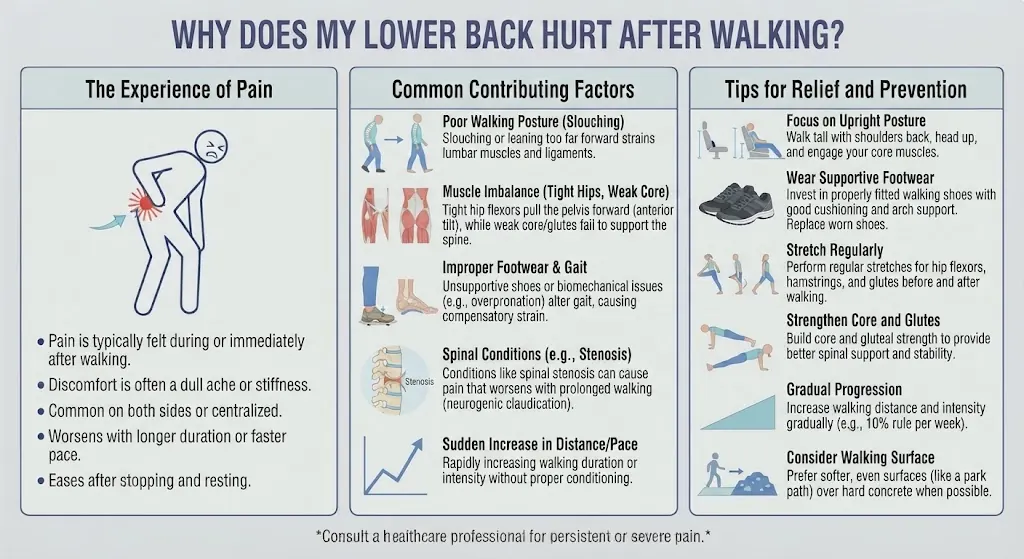
Lower back pain after walking often develops when the muscles, joints, or nerves around the lumbar spine become irritated or cannot comfortably tolerate the activity. Walking repeatedly loads the hips, pelvis, and spine, so symptoms may emerge after a certain distance or amount of time.
Common causes include muscle fatigue, an abrupt increase in activity, and spinal joint irritation. In some people, the pain is related to a nerve or a condition that makes standing and walking difficult for extended periods.
The timing matters. Pain that gradually builds after a longer walk may have a different explanation from pain that starts after a few minutes and consistently improves when you sit down.
What causes lower back pain after walking?
Several conditions can produce similar symptoms, so consider the overall pattern rather than relying on one symptom alone.
| Possible cause | Common clues | What may help |
|---|---|---|
| Muscle fatigue or strain | Aching or tightness after increased activity | Shorter walks and gradual progression |
| Spinal joint irritation or arthritis | Stiffness or pain with prolonged standing and walking | Adjusting activity and seeking assessment if persistent |
| Lumbar spinal stenosis | Back or leg discomfort that develops with standing or walking and may ease when sitting or bending forward | Clinical evaluation and an individualized treatment plan |
| Sciatica or nerve irritation | Pain, tingling, or numbness extending into the buttock or leg | Avoiding aggravating movements and assessing persistent symptoms |
| Hip or pelvic problems | Pain around the hip, buttock, or lower back during walking | Evaluation of hip movement and walking mechanics |
| Stress fracture or another significant injury | Focal or persistent pain, sometimes after injury or increased repetitive loading | Prompt medical assessment when suspected |
These patterns can overlap, and the table cannot determine which condition you have.
1. Muscle fatigue or strain
Walking for longer than usual, walking uphill, or returning to exercise after a period of inactivity can place more demand on your trunk and hip muscles. If these tissues become fatigued or strained, discomfort may build as your walk continues.
The same pattern can occur after other physical activities. For example, lower back pain after exercise may develop when you increase intensity too quickly or perform movements your body is not accustomed to.
2. Spinal joint irritation or arthritis
Age-related changes in spinal joints may contribute to stiffness and discomfort during prolonged standing or walking. Some people notice symptoms more when arching their lower back or standing upright for extended periods.
These changes do not always cause pain, and imaging findings alone do not establish the source of symptoms. Persistent discomfort may warrant an assessment for spinal arthritis and lower back pain.
3. Lumbar spinal stenosis
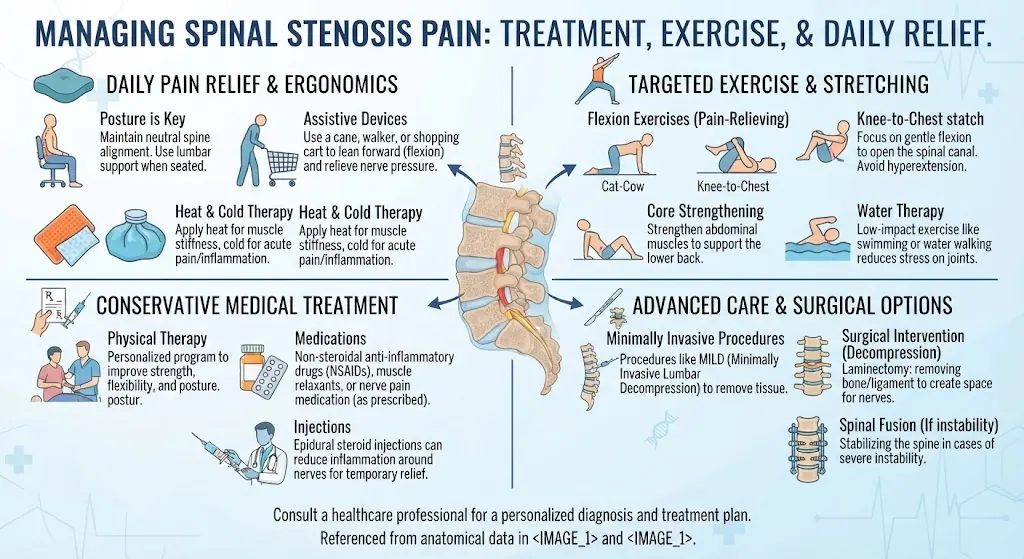
Lumbar spinal stenosis occurs when spaces within the lower spine narrow and may put pressure on nerves. It can cause pain, heaviness, tingling, or weakness in the buttocks or legs during standing and walking.
A particularly useful clue is whether symptoms improve when you sit or lean forward. This pattern can occur with spinal stenosis and leg pain when walking, although other conditions can cause similar symptoms.
4. Sciatica or nerve irritation
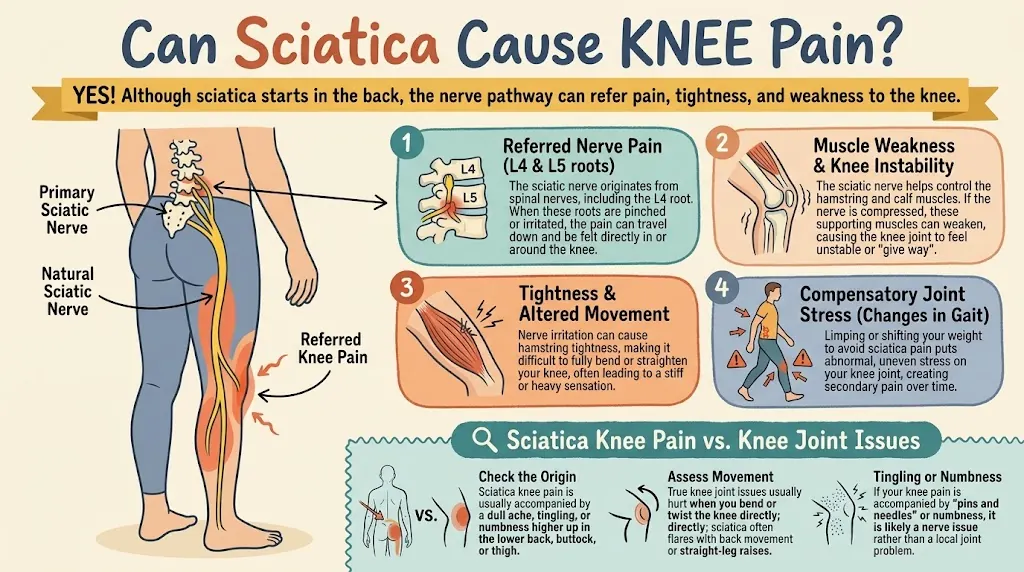
Sciatica refers to symptoms associated with irritation or compression of the sciatic nerve or its nerve roots. Pain may travel from the lower back or buttock down one leg, sometimes accompanied by tingling, numbness, or weakness.
Walking may aggravate symptoms in some people but ease them in others. If you notice these symptoms, understanding the early signs of sciatica may help you describe the pattern during a clinical assessment.
5. Hip, pelvic, or other medical conditions
Problems involving the hip or sacroiliac joint can cause pain near the lower back or buttocks during walking. The discomfort may be more noticeable with longer strides, stairs, or standing on one leg.
Less commonly, fractures, inflammatory conditions, or problems affecting organs outside the spine can cause back pain. Pain accompanied by fever, unexplained weight loss, urinary symptoms, or significant trauma requires medical attention rather than simply changing your walking routine.
Why does my lower back hurt after walking but feel better when I sit?
Lower back pain that improves when you sit may occur because sitting changes the position and loading of your spine. Muscle fatigue or joint irritation can settle with rest, while some people with lumbar spinal stenosis experience relief when bending forward reduces pressure on affected nerves.
The distinction depends on what happens when you resume walking. If the pain returns at a predictable distance, forces you to stop repeatedly, or travels into your legs, arrange a medical assessment.
Pain accompanied by leg heaviness, numbness, or weakness deserves particular attention. For example, lower back pain with leg weakness can indicate nerve involvement and should not be treated as ordinary muscle soreness without further assessment.
Why does my lower back hurt after a short walk?
Pain that begins after only a few minutes may reflect reduced activity tolerance, muscle or joint irritation, or a condition affecting the nerves or circulation. The distance alone cannot identify the cause.
Notice whether the pain starts while standing still, occurs only while walking, or also appears at rest. If your walking distance is becoming shorter, symptoms are worsening, or you develop new leg symptoms, seek medical evaluation.
Also pay attention to whether pain is mainly on one side. Lower back pain on the right side and lower left back pain in women have several possible causes, including musculoskeletal and non-spinal conditions.
Can walking make lower back pain worse?
Yes. Walking can temporarily worsen pain when the distance, pace, terrain, or duration exceeds what your body currently tolerates. Uphill walking, carrying a heavy bag, or taking long strides may also aggravate symptoms in some people.
However, walking is not inherently harmful to the lower back. For many people, appropriately paced movement is part of recovery, and avoiding all activity for long periods can increase stiffness and reduce conditioning.
| Walking pattern | Practical adjustment |
|---|---|
| Pain begins near the end of a long walk | Reduce the distance and build back gradually |
| Pain increases on hills | Try a flatter route and a comfortable pace |
| Pain starts immediately after standing | Alternate positions and arrange an assessment if persistent |
| Pain travels into the leg | Stop the aggravating activity and seek assessment if symptoms persist or worsen |
| Pain is worse after walking on consecutive days | Allow recovery time and review your total activity level |
If walking makes your lower back pain worse, use the symptom pattern to guide adjustments rather than pushing through escalating pain.
How to relieve lower back pain after walking
If your pain is mild, you have no warning signs, and walking has not caused a significant injury, the following steps may help.
1. Reduce your walking distance temporarily
Choose a distance that does not trigger substantial or progressively increasing pain. You might split one long walk into several shorter walks and increase the total gradually as your symptoms allow.
There is no universal ideal distance. Your starting point depends on your current fitness, symptoms, and any underlying condition.
2. Check your pace and walking posture
Walk at a comfortable pace with natural strides. Avoid forcing your back into an exaggerated arch or leaning forward unnecessarily. Comfortable shoes and a manageable route may also make walking easier, although footwear alone may not resolve the cause.
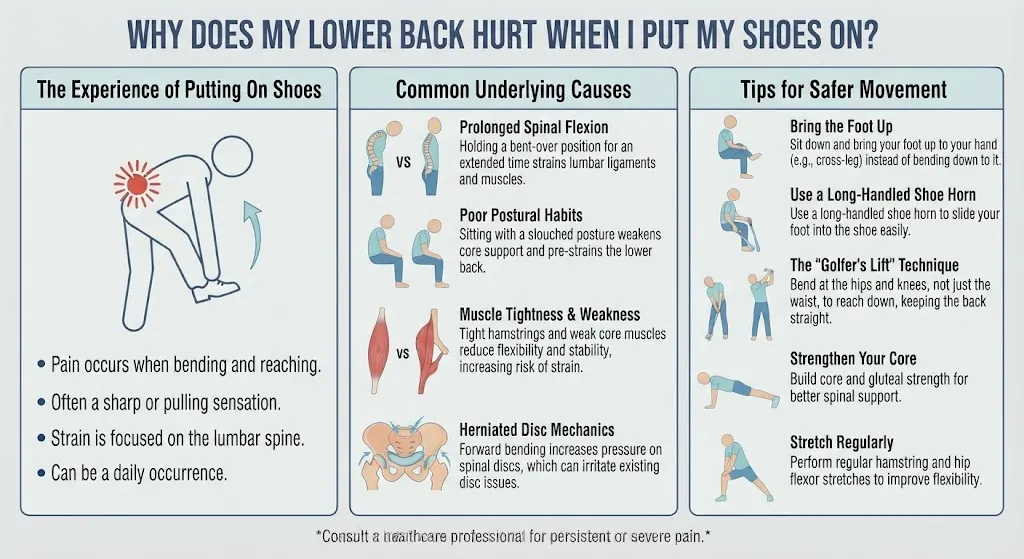
If you regularly stand for long periods outside your walks, review whether lower back pain when standing for a long time follows a similar pattern.
3. Use gentle movement and appropriate exercises
Gentle mobility exercises may help if your symptoms are related to stiffness or muscular discomfort. Start slowly and stop any movement that increases pain, causes new tingling, or sends pain farther down your leg.
A tailored routine of exercises for lower back pain may help improve strength and movement tolerance. A physical therapist can adapt exercises if walking consistently triggers symptoms.
4. Try heat or cold for temporary relief
A wrapped cold pack may help after a recent strain, while gentle heat may ease muscle tightness. Apply either for about 15–20 minutes, protect your skin, and avoid falling asleep with a heating device in place.
You can compare heat or ice for a pulled back muscle when deciding which approach to try.
5. Avoid prolonged bed rest
Short periods of rest may be helpful during a flare, but returning to comfortable daily activity is generally preferable to remaining in bed for extended periods. If walking repeatedly causes significant symptoms, do not force yourself to continue; arrange an assessment to identify a suitable activity level.
For additional strategies, see how to relieve back pain at home.
When should you see a doctor for back pain after walking?
The need for medical care depends on the severity of the pain, how it changes, and whether other symptoms accompany it.
| Level of concern | Symptoms | Recommended action |
|---|---|---|
| Monitor | Mild aching after an unusually long walk that improves with rest and gradually settles | Adjust your routine and monitor recovery |
| Schedule an appointment | Recurrent pain, declining walking tolerance, persistent symptoms, or pain that interferes with daily activities | Arrange a clinical assessment |
| Seek urgent medical care | New or progressive leg weakness, significant pain after trauma, or back pain with fever or feeling seriously unwell | Obtain urgent assessment |
| Emergency | New loss of bladder or bowel control, inability to urinate with neurological symptoms, numbness around the groin, or rapidly progressing weakness in both legs | Go to an emergency department immediately |
Seek prompt medical advice if you have a history of cancer, immune suppression, osteoporosis, or long-term steroid use and develop new or unexplained back pain.
A clinician may assess your walking pattern, spinal movement, hip function, strength, reflexes, and sensation. Imaging is not routinely required for every episode; it is considered when the examination and medical history suggest that it could change treatment.
If you are unsure where to go, this guide explains when back pain is an emergency.
Frequently Asked Questions
1. Is walking good for lower back pain?
Walking can help maintain mobility and physical conditioning, and gentle activity is often recommended for uncomplicated lower back pain. The key is to adjust the duration and intensity to your symptoms rather than pushing through worsening pain. See whether walking is good for lower back pain for additional guidance.
2. Should I stop walking if my lower back hurts?
You do not necessarily need to stop all walking, but you should stop or reduce the activity that causes significant or increasing pain. New weakness, numbness, or other concerning symptoms warrant medical assessment.
3. Why does my back hurt after walking but not while walking?
Muscle fatigue or irritation may become more noticeable after activity stops. The timing alone cannot identify the cause, particularly if the discomfort keeps returning or becomes more severe.
4. Can tight hamstrings cause lower back pain after walking?
Tight hamstrings may affect how comfortably you move your hips and pelvis, but they are not necessarily the cause of back pain. Avoid forceful stretching if it aggravates your symptoms.
5. Can spinal stenosis make walking difficult?
Yes. Lumbar spinal stenosis can cause back or leg discomfort, heaviness, tingling, or weakness during standing and walking. Symptoms that repeatedly limit your walking distance deserve medical evaluation.
6. How long should lower back pain after walking last?
Minor muscular discomfort may improve over several days, although recovery varies with the cause and severity. Seek evaluation if pain persists, worsens, or repeatedly interferes with walking; this guide explains how long is too long to have lower back pain.
7. Should I rest or keep moving when my back hurts?
Brief rest can help during a flare, but prolonged bed rest is generally not recommended for uncomplicated back pain. Balance gentle movement with recovery, and seek advice if activity consistently aggravates your symptoms. Read more about whether to rest or keep moving with lower back pain.
8. Can physical therapy help lower back pain after walking?
Physical therapy may improve strength, mobility, walking tolerance, and movement strategies when appropriate for the underlying cause. A therapist can adapt your program if certain positions or distances trigger symptoms. Learn about how physical therapy can help lower back pain.
9. Can lower back pain after walking be a sign of a serious problem?
Sometimes. Although muscle and joint problems are common explanations, worsening pain, neurological symptoms, fever, significant trauma, or unexplained weight loss may indicate a condition requiring medical attention. Review the broader causes of lower back pain and seek care when warning signs are present.
10. What type of doctor should I see for lower back pain after walking?
A primary care clinician is a reasonable starting point for recurring or unexplained symptoms. Depending on the findings, you may be referred to a physical therapist, a spine specialist, or another clinician for further evaluation. Learn what type of doctor to see for back pain.
Conclusion
Lower back pain after walking may result from muscle fatigue, joint irritation, nerve compression, or other conditions. Start by adjusting your walking distance, using a comfortable pace, and avoiding movements that significantly worsen your symptoms. If pain repeatedly limits how far you can walk, continues despite reasonable adjustments, or comes with neurological symptoms, seek medical evaluation.
Disclaimer: This article is provided for educational and informational purposes only.