Yes, stress can make sciatica symptoms feel worse, even though stress does not necessarily cause the underlying nerve irritation. Stress can affect muscle tension, sleep, pain sensitivity, and how the nervous system processes discomfort. However, worsening pain should not automatically be blamed on stress, especially if you develop new numbness, weakness, or other concerning symptoms.
Understanding the relationship between stress and sciatica can help you identify potential triggers, manage flare-ups, and decide when to seek medical care. This guide explains how stress may influence sciatic nerve pain, what you can do at home, how long flare-ups may last, and which warning signs need prompt attention.
How Does Stress Make Sciatica Worse?
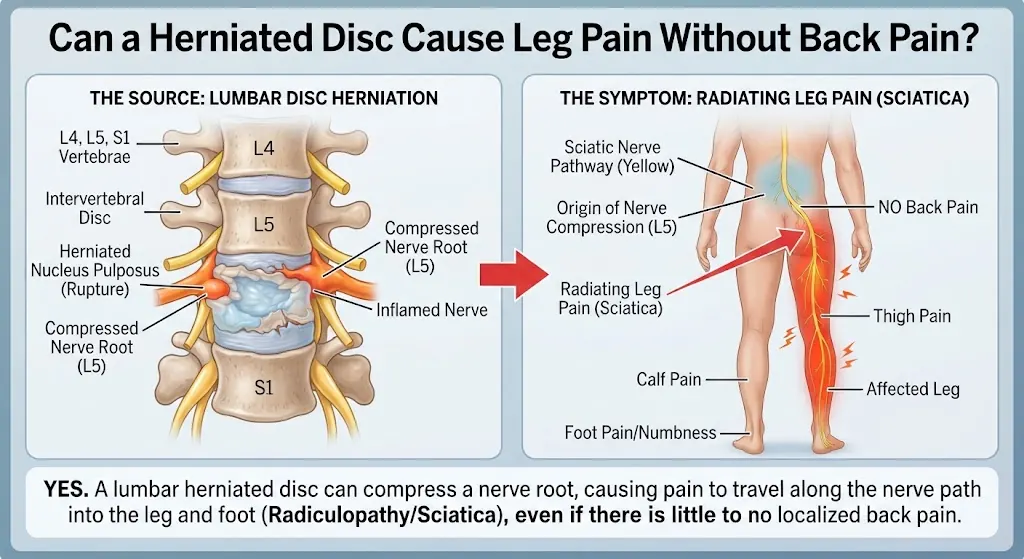
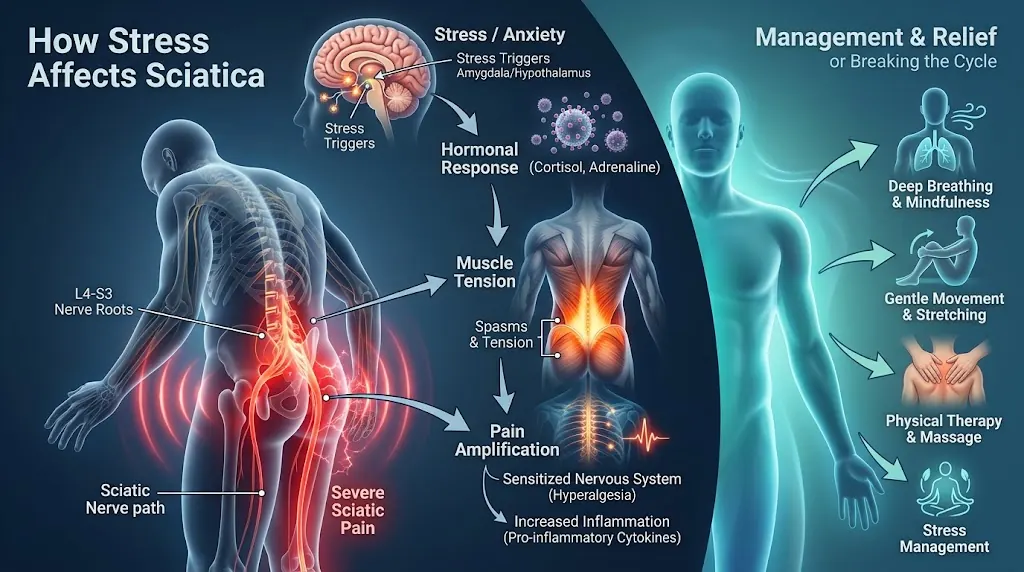
Stress can amplify sciatica symptoms by affecting several systems involved in pain and recovery. Sciatica usually describes pain caused by irritation or compression of nerve roots that contribute to the sciatic nerve, often because of a herniated disk or age-related changes in the spine. Stress may influence the intensity of symptoms without being the original cause.
Common ways stress may affect sciatica include:
-
Increased muscle tension: Stress can cause you to tighten your lower back, buttocks, and hips, potentially making movement more uncomfortable.
-
Greater pain sensitivity: Stress may influence how the brain and nervous system interpret pain signals, making existing discomfort feel more intense.
-
Poorer sleep: Worry and disrupted sleep can reduce your ability to cope with pain and may contribute to symptom flare-ups.
-
Reduced physical activity: When stressed, you may move less, sit longer, or avoid activities that help maintain mobility.
-
A cycle of pain and worry: Pain can increase anxiety, while anxiety can make pain harder to manage.
These effects vary from person to person. Stress is one possible contributor, not proof that symptoms are psychological or that a physical problem is absent.
What Does Research Say About Stress and Sciatica?
Research supports a relationship between psychological stress and back pain, but it does not establish that stress directly causes every sciatica flare-up.
An umbrella review examining 15 systematic reviews and 134 cohort studies found that psychological stress, including depression, was among the factors associated with an increased risk of lower back pain or sciatica. These findings show an association, not proof that stress alone causes nerve compression or determines how severe symptoms will become.
| Research finding | What it means for people with sciatica |
|---|---|
| Psychological stress is associated with back pain and sciatica risk. | Managing stress may be a useful part of a broader recovery plan. |
| Poor sleep can influence pain and emotional well-being. | Improving sleep habits may make symptoms easier to manage. |
| Physical and psychological factors can interact. | Treatment may need to address both movement and stress-related difficulties. |
The practical takeaway is that stress management can complement physical treatment, but it cannot replace an assessment of persistent or worsening nerve symptoms.
How Can You Tell If Stress Is Triggering a Sciatica Flare-Up?
Stress may be contributing when your usual symptoms become more noticeable during periods of worry, poor sleep, work pressure, or emotional strain. You might also notice tight muscles, increased sensitivity to discomfort, or difficulty relaxing.
However, a pattern alone cannot confirm the cause. Use the following comparison to help identify what to monitor.
| Symptom pattern | Possible explanation | Sensible next step |
|---|---|---|
| Familiar pain becomes more noticeable during stressful days. | Stress may be amplifying existing pain. | Track stress, sleep, activity, and symptoms. |
| Pain worsens after prolonged sitting or certain movements. | Position-related irritation may contribute. | Adjust your position and take movement breaks. |
| Pain travels down the leg with tingling or numbness. | Nerve irritation may be involved. | Arrange medical assessment if new, persistent, or worsening. |
| New or progressive leg weakness develops. | Significant nerve dysfunction is possible. | Seek urgent medical evaluation. |
If your symptoms include tingling down the leg from sciatica, foot numbness associated with sciatica, or leg weakness with sciatica, do not assume stress explains them.
How to Relieve Stress-Related Sciatica Flare-Ups
The most useful approach combines gentle physical activity, stress management, consistent sleep, and appropriate medical care. You do not need to eliminate stress completely to begin improving how you cope with pain.
1. Keep moving within your comfort level
Short walks and frequent position changes may help you avoid the stiffness associated with prolonged inactivity. Start with manageable periods and increase activity gradually. If walking makes symptoms spread farther down your leg or causes increasing weakness, stop that activity and seek professional advice.
Explore whether walking helps lower back pain and which activities to avoid with sciatica.
2. Try slow, comfortable breathing
Sit or lie in a position that does not aggravate your symptoms. Breathe gently through your nose, allowing your abdomen to expand comfortably, and exhale slowly. Continue for a few minutes without forcing deep breaths or holding your breath.
Relaxation can help reduce stress-related tension, but it is not a treatment for a compressed nerve. Stop if a position increases your pain.
3. Improve your sleep routine
Pain and stress can interfere with sleep, and poor sleep can make pain harder to tolerate the next day. Aim for a consistent bedtime, reduce stimulating activities before bed, and choose a position that keeps your back comfortable.
If symptoms worsen at night, see why sciatica may be worse at night and how to sleep with sciatica.
4. Address ongoing stress
Identify practical stressors you can change, such as long periods of sitting, unrealistic workloads, or insufficient breaks. If anxiety, low mood, or fear of movement persists, a mental health professional may help you develop coping strategies. Cognitive behavioral approaches can be useful as part of a broader treatment plan for persistent back pain or sciatica.
5. Use heat or cold carefully
A wrapped heat pack may ease muscle tension, while a cold pack may provide temporary comfort for some people. Protect your skin, limit exposure according to the product instructions, and avoid applying heat or ice directly to numb skin.
For more guidance, compare heat versus ice for back pain.
How Long Can a Stress-Related Sciatica Flare-Up Last?
There is no fixed recovery time for a flare-up associated with stress. Symptoms may settle as stress, sleep, and activity improve, but the underlying cause of sciatica also matters. Sciatica often improves within several weeks to a few months, although some cases last longer
| Timeline | What to monitor |
|---|---|
| First few days | Whether symptoms change with rest, movement, stress, or sleep |
| Over the next few weeks | Whether pain, mobility, and daily activities gradually improve |
| Persistent or worsening symptoms | Whether an examination or treatment adjustment is needed |
Keep a brief daily record of pain intensity, sleep quality, stress levels, and activity. This may help you recognize patterns and explain them to a clinician.
When Should You Seek Medical Care?
Stress should never be used to dismiss new neurological symptoms.
-
Monitor: Familiar, manageable symptoms that are gradually improving, without new weakness or other warning signs.
-
Arrange a medical appointment: Pain that persists for several weeks, interferes with daily activities, or continues to worsen. A clinician can assess possible causes, including herniated disk symptoms.
-
Seek emergency care: New difficulty urinating, loss of bladder or bowel control, numbness around the genitals or anus, or severe or progressive weakness, especially in both legs. These may indicate serious nerve compression requiring immediate treatment.
NHS+1
Frequently Asked Questions
1. Can anxiety make sciatica pain worse?
Yes. Anxiety may increase muscle tension, disrupt sleep, and make the nervous system more sensitive to pain. It does not necessarily worsen the underlying nerve compression.
2. Can stress cause sciatica without a back injury?
Stress can contribute to pain sensitivity and muscle tension, but it does not establish that sciatica is present. Sciatica usually involves irritation of nerve roots, so symptoms need to be assessed in context.
3. Why does my sciatica flare up when I am stressed?
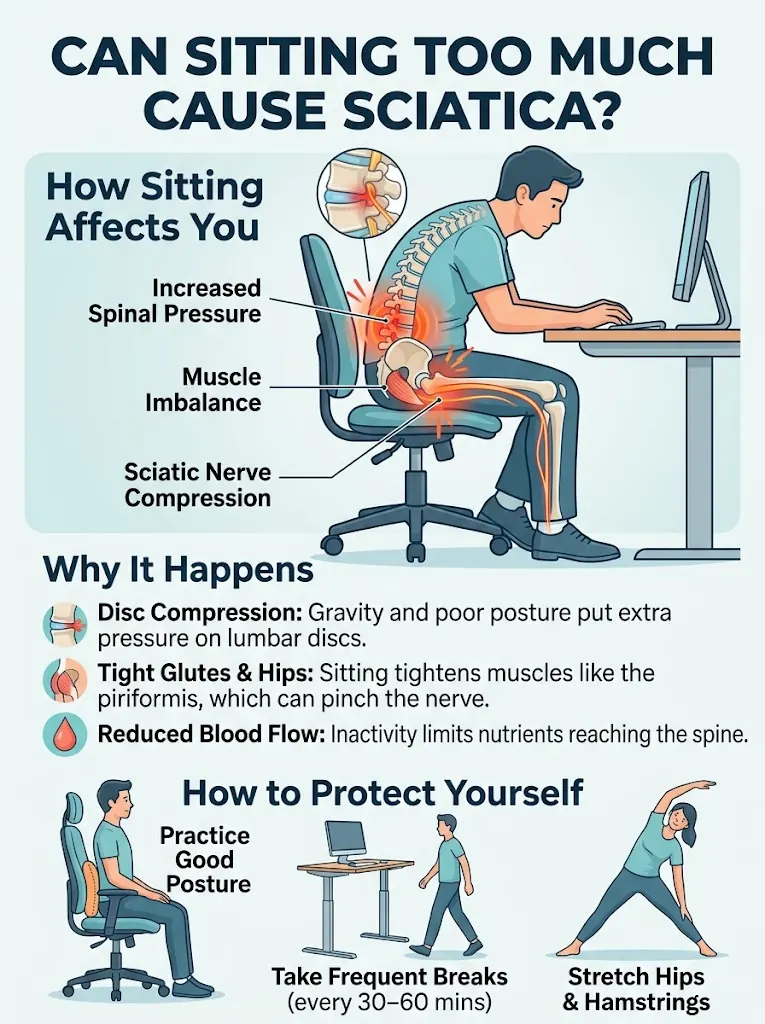
Stress may amplify existing pain through changes in sleep, tension, activity, and pain processing. Other triggers, including prolonged sitting, can also contribute; see how prolonged sitting may affect sciatica.
4. Can relaxing exercises relieve sciatica?
Breathing exercises and relaxation techniques may help reduce stress and improve pain coping. They should complement, rather than replace, appropriate physical treatment.
5. Should I rest when stress makes my sciatica worse?
Brief rest may be helpful when pain is intense, but prolonged bed rest is generally discouraged. Gradual movement is usually preferable when tolerated.
6. Can poor sleep make sciatica more painful?
Yes. Poor sleep may increase pain sensitivity and make daily activities harder. Addressing sleep habits can be a useful part of recovery.
7. Can exercise help stress-related sciatica?
Gentle, suitable exercise may support mobility and well-being. A physical therapist can recommend exercises for lower back pain that match your symptoms and limitations.
8. Does stress-related sciatica mean the pain is psychological?
No. Pain is real even when stress influences its intensity. Physical nerve irritation and psychological stress can coexist.
9. When should I consider physical therapy?
Consider an assessment if symptoms persist, movement is difficult, or you are unsure which activities are safe. Learn how physical therapy may help lower back pain.
10. Can sciatica return during stressful periods?
Symptoms can recur, and stress may be one contributing factor. Understanding your triggers, staying active, and following an appropriate management plan may help you cope with future flare-ups.
Conclusion
Stress can make sciatica harder to manage by influencing muscle tension, sleep, and pain sensitivity, but it is not the only possible explanation for worsening symptoms. Gentle movement, relaxation, consistent sleep, and appropriate clinical care can help you address both physical discomfort and stress. Seek prompt assessment for persistent or worsening symptoms, and emergency care for new bladder or bowel changes, saddle numbness, or serious weakness.
Disclaimer: This article is provided for educational and informational purposes only.